730+
Digital projects supported across different technology requirements

Move Your WebsiteWith Greater Control and Confidence
Techanic Infotech provides website migration services designed to help businesses move websites between platforms, hosting environments and technical architectures with a structured approach. We plan the migration, transfer relevant website assets, test the new environment and support the transition towards a stable launch.
Whether you are changing your CMS, moving to new hosting, redesigning your website or transferring content to a new technical platform, our team can help manage the migration process. We consider website structure, databases, files, URLs, redirects, integrations, performance and relevant SEO requirements throughout the project.
Our website migration services help businesses move websites between platforms, hosting environments, domains and technical architectures. We manage the migration process around your existing website structure, content, functionality, integrations and business requirements while planning for testing and post migration stability.
Tap a service to view details, features, and next steps.
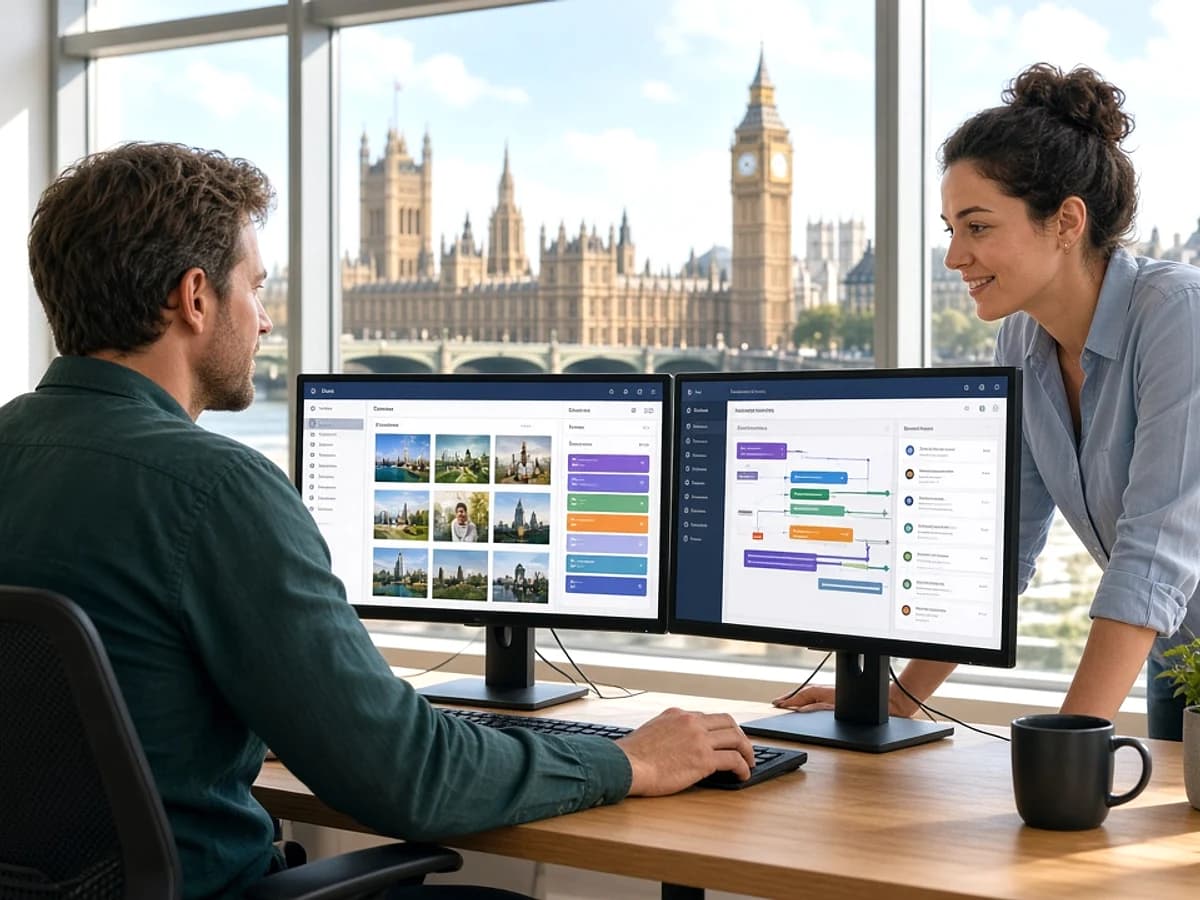
We help businesses move websites from one content management system to another while considering content, media, page structures and existing functionality. The migration approach is planned around the capabilities of the new CMS and the requirements of the existing website.

Moving a website to a new hosting environment requires careful preparation of files, databases, configurations and domain settings. We support the technical transfer and testing process to help establish the website in its new environment.

Changing a website domain requires careful planning to maintain the correct website structure and visitor access. We can support domain related technical changes alongside redirects, content checks and relevant SEO considerations.
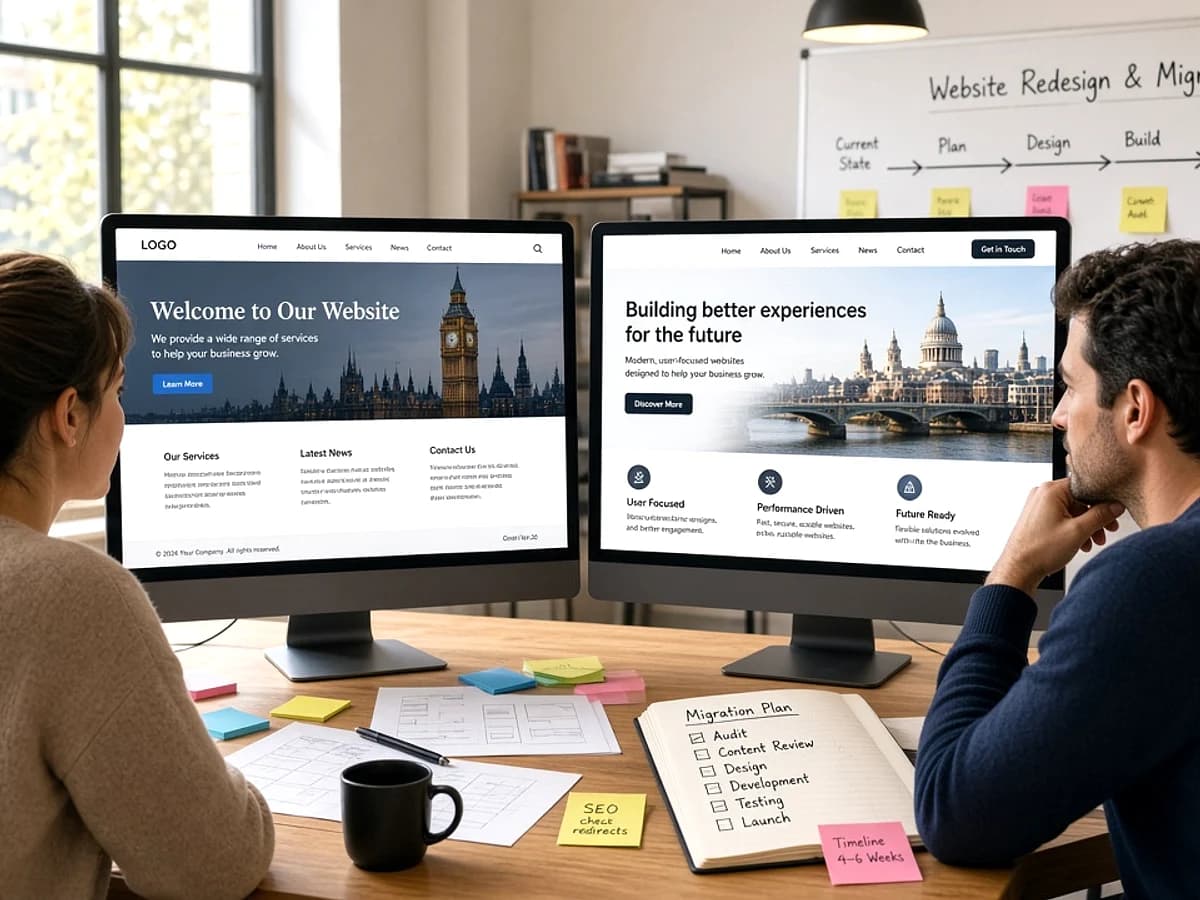
A redesign may involve changes to layouts, URLs, content structures and website functionality. We help businesses manage the transition between the existing website and the redesigned version while considering technical and SEO requirements.

Ecommerce migration can involve products, categories, customer information, orders, payment systems and other business data. We plan the transfer around the platform and functionality requirements while prioritising testing before launch.
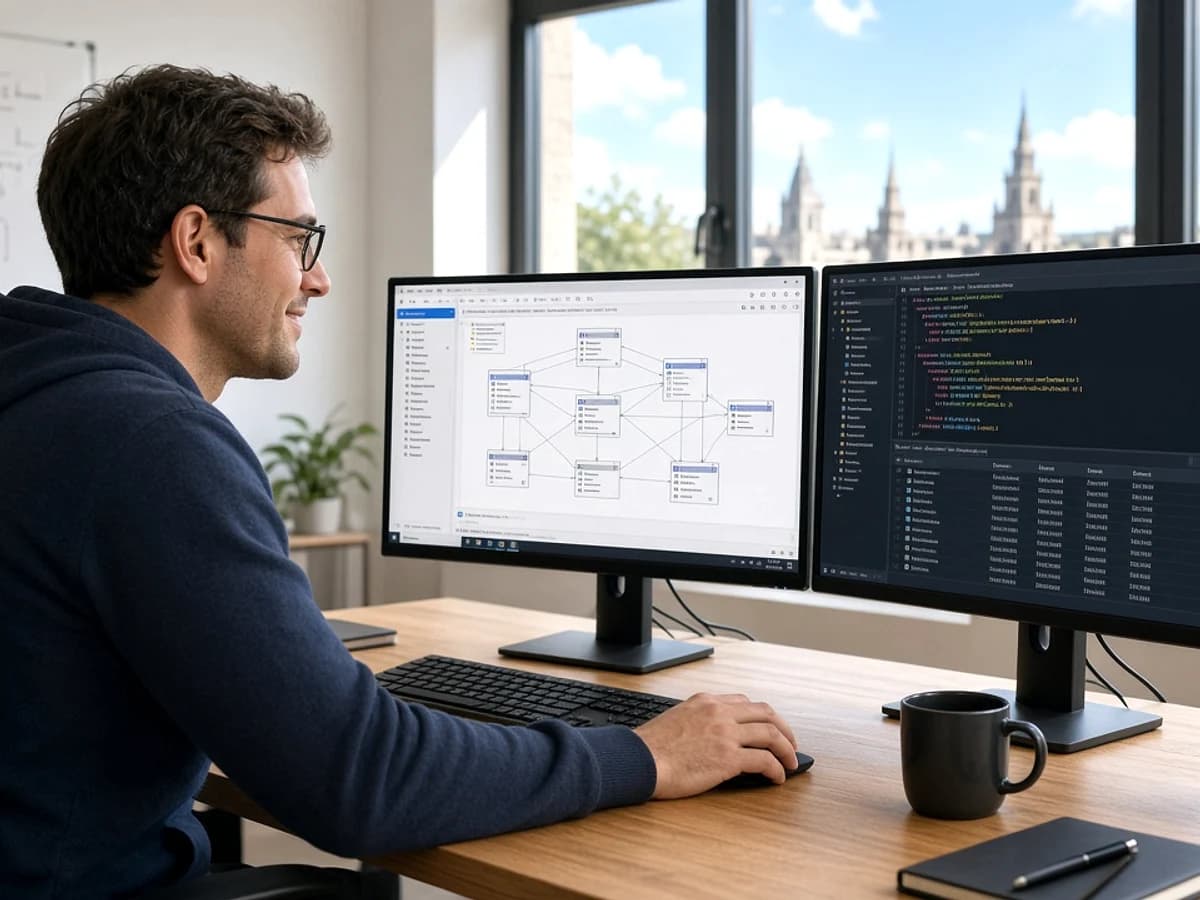
Websites often rely on databases containing content, user information, products and business records. We support database migration planning and validation to help ensure relevant data is transferred correctly to the new environment.
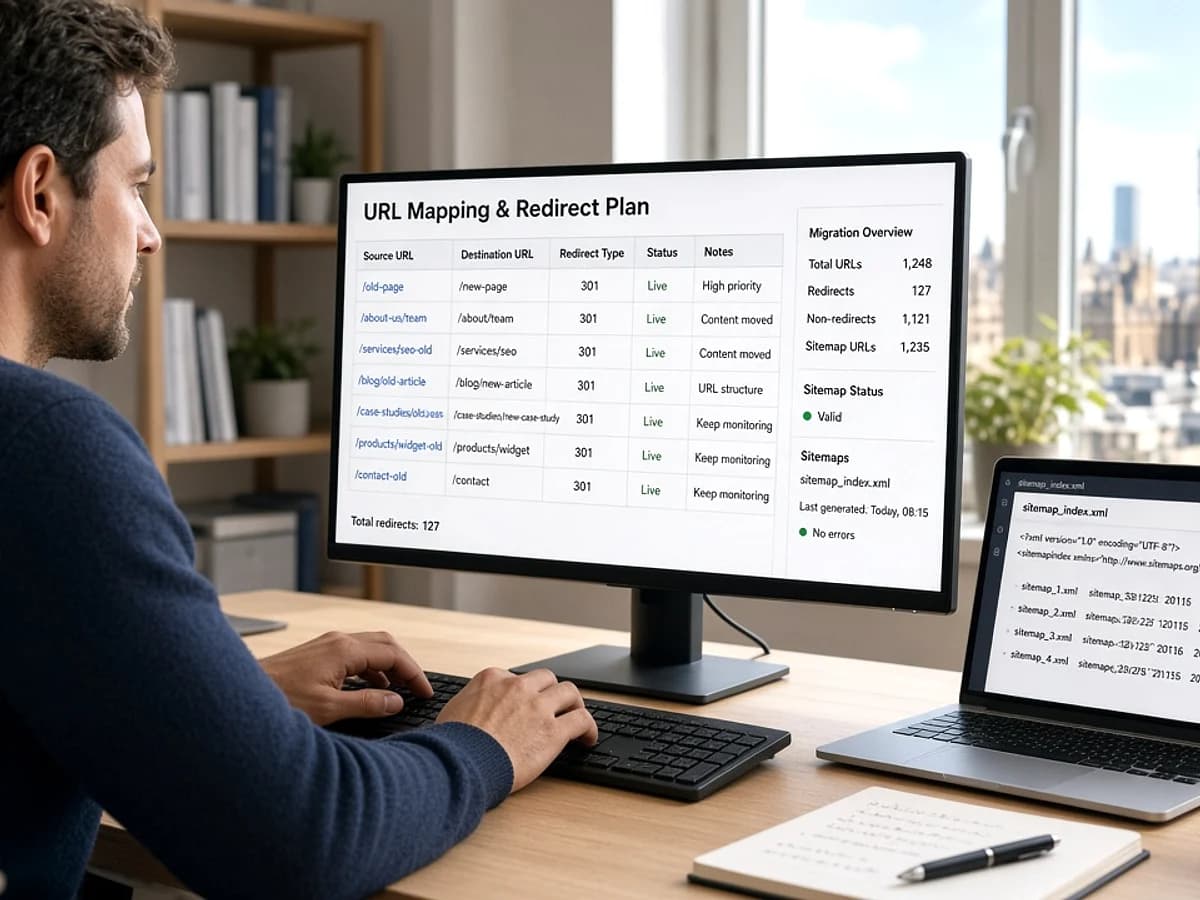
Website migrations can affect URLs, rankings, indexing and organic traffic when technical changes are not managed carefully. Our migration process considers URL mapping, redirects, metadata, internal links, sitemaps and other relevant SEO elements.

Migration does not end when the new website goes live. We can provide post migration checks, issue resolution, performance reviews and technical support to help businesses address problems identified after launch.
Whether you are changing your CMS, moving hosting, redesigning your website or transferring an ecommerce platform, careful migration planning can reduce technical disruption. Talk to our team about your current website and migration requirements.

Explore examples of website development and digital transformation work involving platform changes, website improvements, custom functionality and technical upgrades. Our experience across web technologies supports migration projects with different levels of complexity.
Sports EcommerceUnited States
Built a custom sports uniforms and teamwear ecommerce platform with product catalogues, team ordering, and secure checkout for athletic apparel worldwide.
Measurable outcomes
A carefully planned migration can help businesses transition to a new website environment while addressing technical risks, content continuity, user experience and relevant SEO considerations.
Swipe to explore business outcomes →
0%
Important existing URLs can be reviewed and mapped to relevant destinations before the new website is launched.
0/7
Migration planning can include launch timing and technical preparation designed around business operating requirements.
0
Relevant permanent redirects can help guide users and search engines from changed URLs to appropriate new destinations.
0
A central migration plan can bring together content, technical, SEO, testing and launch requirements in one organised process.
Ready to see similar results?
Businesses carrying out website migrations operate within a wider UK technology and business environment. Relevant organisations and communities can provide information, networking opportunities and resources around digital transformation, business growth and technology adoption.






Client feedback can help businesses understand how a technology provider approaches communication, technical delivery and project collaboration.
The migration process was organised and communication remained clear throughout the project. The team helped us understand the technical requirements and supported us through the transition.
The team took time to understand our existing website before discussing the migration approach. Their structured process made the technical transition easier for our internal team to manage.
We appreciated the attention given to URLs, content and technical testing during the website migration. The team responded promptly to our questions throughout the project.
Why choose us
Website migration can affect content, functionality, URLs, integrations and the overall customer experience. Choosing a team that understands both the existing website and the target environment can help create a more organised transition.




We begin by understanding your existing website, target environment, business objectives and migration requirements. This helps establish the activities, dependencies and checks required before the transfer.
Website migration involves more than transferring pages and files. Our specialists consider technical architecture, content, URLs, integrations, databases, performance and SEO requirements to create a structured migration experience.
Tap a technology below to switch details
We assess the existing website and target environment to establish a practical migration strategy based on business and technical requirements.
A structured migration process helps businesses understand what needs to be transferred, changed and tested before a website moves to its new environment. Our process covers discovery, preparation, migration, validation, launch and post migration support.

Discover
We review the existing website, technology, content, URLs, integrations and target environment to establish the migration requirements.

Plan
We create a practical migration plan covering content, technical components, URLs, redirects, integrations, testing and launch requirements.

Migrate
Relevant website components are transferred or rebuilt within the destination environment while preserving required functionality and structure.

Test
The migrated website is tested to identify broken functionality, missing content, incorrect URLs, integration issues and other technical concerns.

Launch
After validation, the migrated website is prepared for production and launched according to the agreed deployment plan.

Support
Following launch, we monitor the website and address technical, content, performance and functionality issues that may appear after migration.
Technology directories and review platforms can provide additional information when evaluating a website migration provider. Recognition shown on the final website should always be supported by a current and verifiable company profile or published record.
Relevant Clutch profile information or published recognition can be referenced where supported by a current Techanic Infotech company profile.
GoodFirms profile information and published recognition can be included where verified against the current Techanic Infotech listing.
DesignRush company profile information can be referenced where Techanic Infotech has a current and verifiable listing or published recognition.
TopDevelopers directory information can be included where supported by a current Techanic Infotech company profile.
AppFutura profile information can be referenced where supported by a current and verifiable Techanic Infotech company listing.
AI & automation
Benefits of Professional Website Migration
A well planned website migration can help businesses move to a more suitable platform, hosting environment or website architecture while addressing technical, content and SEO requirements. Professional migration support can make the transition more structured and easier to manage.

Migration can help businesses move away from an outdated platform or technology and adopt an environment that better supports current requirements.
A new hosting environment, improved architecture or updated implementation can provide opportunities to address technical performance issues.
A structured content migration process helps identify and transfer relevant pages, media, documents and other website assets.
URL mapping, redirects, metadata and internal linking can be reviewed during migration to help reduce avoidable SEO issues.
Migration can provide an opportunity to review hosting configuration, software versions, access controls and other relevant security considerations.
Moving to a more suitable platform can provide additional flexibility for new functionality, integrations, content and future website development.
Migration can help businesses replace outdated technical structures with a more suitable architecture that aligns with current business requirements.
A new CMS or hosting environment can provide improved administration, content management and technical workflows where the previous system created limitations.
Swipe with arrows to explore all capabilities
Our three phase migration approach helps businesses move from an existing website environment to a new platform through structured planning, technical implementation and post launch support.
Phase 1
We assess the existing website and define the technical, content, SEO and business requirements for the migration.
We review the existing website, including pages, functionality, technology, URLs, integrations and relevant technical dependencies.
We identify what needs to be transferred, rebuilt, changed or retired as part of the migration.
The destination platform, hosting environment, database requirements and integration needs are considered before implementation.
Existing URLs, metadata, internal links, redirects and sitemap requirements are reviewed to establish an SEO aware migration plan.
Phase 2
The planned website components are transferred or rebuilt and then tested to identify issues before the production launch.
Relevant website content, media and documents are transferred according to the approved migration structure.
Where required, relevant database information is transferred, configured and checked within the destination environment.
Website features, forms, integrations and other required functionality are implemented and configured on the new platform.
The migrated website is tested across relevant pages, devices, browsers, redirects, forms and integrations.
Phase 3
After validation, the new website is launched and monitored while technical issues and improvement opportunities are addressed.
Final backups, DNS settings, content checks, redirects and production configuration are reviewed before launch.
The approved website is moved to the production environment according to the agreed deployment plan.
The website is monitored after launch to identify broken links, functionality issues, performance concerns and other migration related problems.
Future technical improvements, SEO work, performance optimisation and website enhancements can be introduced as business requirements evolve.
Every migration project has different requirements. Our engagement options can be structured around clearly defined migrations, dedicated technical resources or flexible support for projects where requirements may change.
A dedicated team can provide focused technical support for complex migrations, large websites or projects requiring continued development and migration assistance.
A fixed price engagement can be suitable when the migration scope, destination platform, functionality and required deliverables are clearly defined.
A time and material model provides flexibility for migrations where the existing website requires investigation or where technical requirements may evolve during implementation.
Transparent Pricing
Website migration pricing in UK depends on the existing platform, destination platform, website size, number of URLs, database complexity, integrations, ecommerce requirements and SEO migration needs. The following ranges are indicative planning figures. A final quotation should be prepared after reviewing the existing website and migration scope.
£2,500 to £6,000
£6,000 to £15,000
£15,000 to £40,000+
Not every website migration has the same level of complexity. A straightforward platform transfer may work for a simple website, while larger or technically complex websites may require a structured migration approach involving content, databases, URLs, integrations and testing.
| Feature | RecommendedStructured Website Migration | Standard Platform Transfer |
|---|---|---|
| Migration Planning | Detailed review of the existing website, destination environment and business requirements | Basic transfer based mainly on standard platform procedures |
| Content | Content and media can be mapped and validated before and after migration | Content transfer depends on platform compatibility and available migration tools |
| URLs | Existing URLs can be reviewed and mapped to appropriate new destinations | URL handling depends on the migration method and destination platform |
| Redirects | Relevant redirects can be planned, implemented and tested | Redirect handling may require additional manual configuration |
| Database | Database requirements can be assessed, transferred and validated | Database migration depends on platform compatibility |
| Integrations | Existing APIs and third party services can be reviewed and reconfigured | Integration support depends on available platform features |
| SEO | SEO related elements can be included in the migration planning process | SEO considerations may be limited to standard platform migration features |
| Post Launch Support | Post migration monitoring and issue resolution can be included | Support may focus primarily on completing the initial transfer |
Website migration requirements vary according to business size, website complexity and digital operations. Our migration services can support startups, growing businesses, enterprises and digital product companies across the UK.




Our website migration services use established technologies and platforms selected according to the existing website, destination environment and migration requirements. We work across frontend, backend, cloud, database, API and DevOps technologies to support structured website transfers.
Swipe or tap arrows to browse tech categories
Planning a CMS change, hosting transfer, domain migration, website redesign or ecommerce platform migration? Talk to Techanic Infotech about your current website and target environment so we can discuss the technical, content, SEO and launch requirements.

Find practical answers about website migration costs, timelines, platforms, SEO, redirects, security, content transfer and choosing the right migration partner in the UK.
Browse by topic
3 questions · 19 total
Moving a website to a new platform, hosting environment or technical architecture? Tell us about your existing website and migration goals.
Share your current platform, target platform, website size, key functionality and any SEO or technical concerns so our team can understand your migration requirements.
Complete the form and our team will review your requirements to discuss a suitable migration strategy, technical approach and support options.
Your information will be used to respond to your enquiry and discuss your website migration requirements. Please avoid submitting sensitive personal information through this form.