730+
Digital projects supported across different business requirements

Unify Your BusinessWith Custom ERP Software
Build a centralised ERP system designed around your business processes, operational requirements and growth plans.
Our ERP software development services help businesses bring finance, inventory, procurement, sales, HR, manufacturing and other core functions together within a connected technology environment. From custom ERP development and module design to integrations, migration and ongoing support, we build solutions around your specific requirements.
We provide custom ERP software development services designed around business processes, operational workflows and industry-specific requirements. From new ERP platforms to integrations and modernisation, our services cover the full ERP development lifecycle.
Tap a service to view details, features, and next steps.

Build a tailored ERP platform around your organisation's processes, departments, users, reporting requirements and operational goals.

Develop individual ERP modules that address specific business functions while supporting integration with the wider ERP ecosystem.
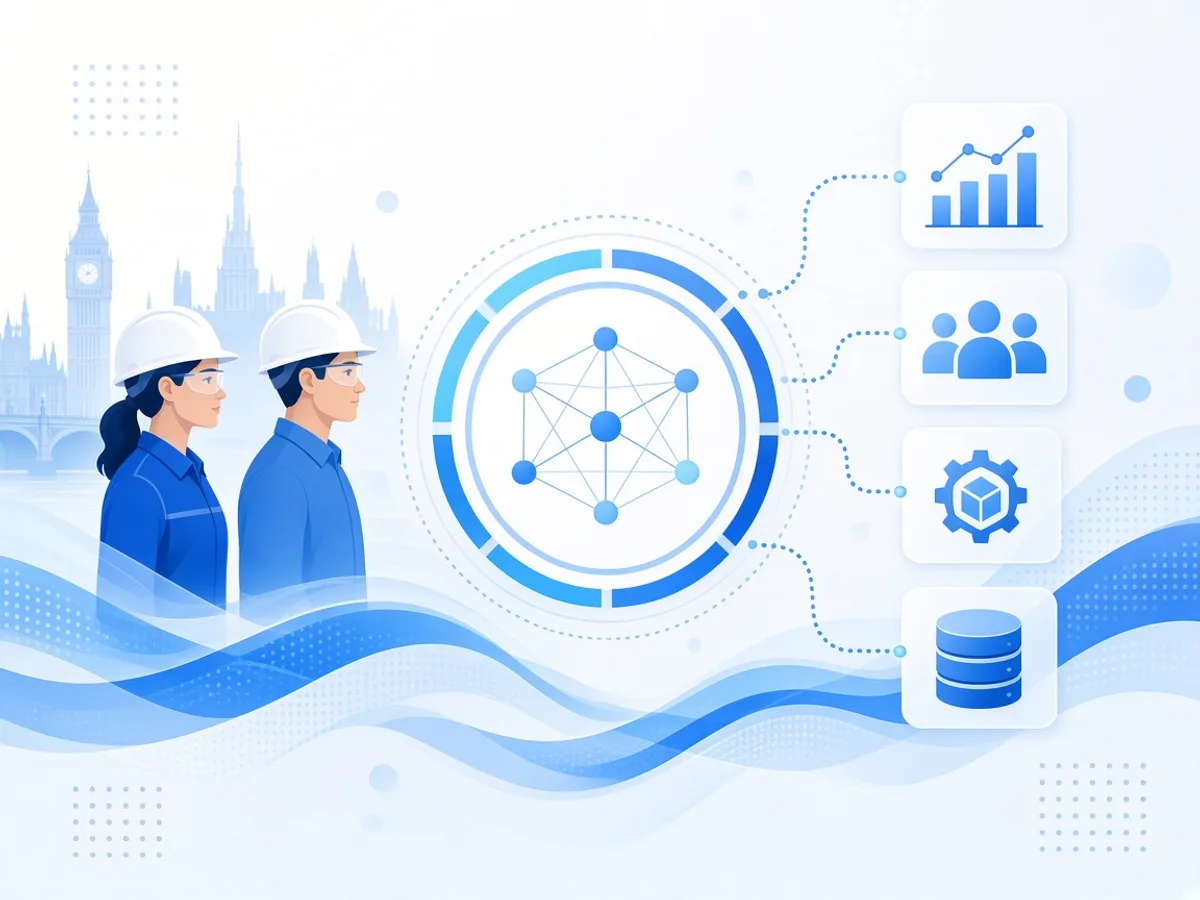
Connect ERP software with existing business applications and external platforms to create consistent data flows across your technology environment.

Move business data and processes from legacy ERP platforms or disconnected systems into a modern ERP environment.

Modernise outdated ERP applications and workflows to improve usability, scalability, integration capabilities and technology maintainability.
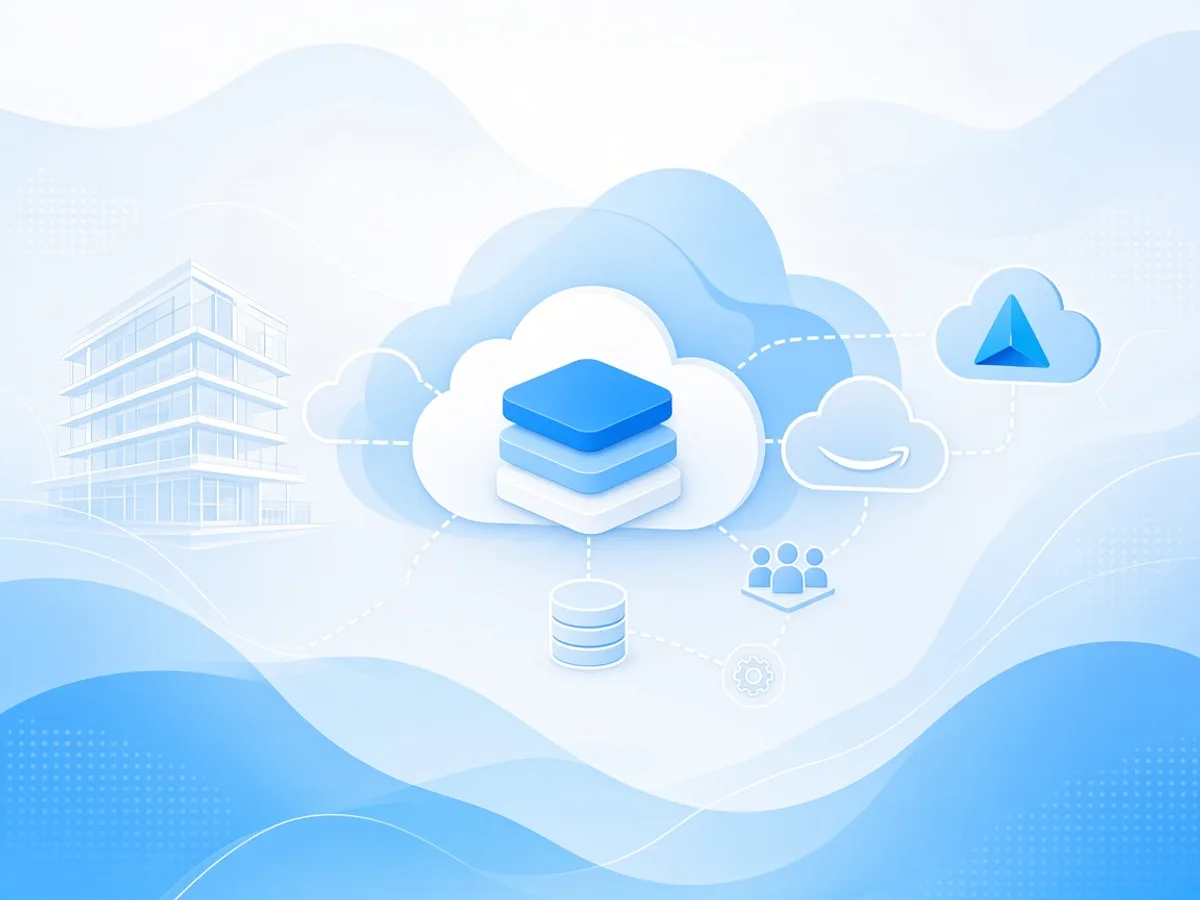
Develop cloud-based ERP solutions that provide accessible business applications, centralised data and scalable infrastructure.

Extend ERP functionality to mobile devices so authorised employees can access relevant business information and workflows while working remotely or on-site.

Keep ERP applications reliable and aligned with changing business requirements through ongoing technical support, maintenance and optimisation.
Whether you are replacing legacy software, connecting disconnected systems or building a new ERP platform, our team can help define the right architecture, modules, integrations and development approach.

Explore ERP development projects covering custom enterprise platforms, business process automation, system integrations, ERP modernisation and industry-specific solutions. Portfolio examples should use genuine, approved client projects and accurate performance information.
Sports EcommerceUnited States
Built a custom sports uniforms and teamwear ecommerce platform with product catalogues, team ordering, and secure checkout for athletic apparel worldwide.
UK businesses often manage complex finance, supply chain, customer, workforce and operational processes across multiple systems. Custom ERP software can bring these functions into a connected environment while supporting the workflows, reporting requirements and growth plans of the organisation.
Our ERP development services support businesses looking to replace spreadsheets, modernise legacy platforms, connect disconnected applications or create a centralised business management system. We design ERP solutions around operational requirements rather than forcing established workflows into a fixed software structure.
ERP projects can be designed for UK-specific operational requirements, including multi-location businesses, GBP-based financial workflows, VAT-related processes, user permissions, audit trails and integrations with existing business systems. Exact tax, accounting and regulatory requirements should be validated with the relevant professional or compliance team.

Measurable outcomes
A well-designed ERP system can provide a shared operational environment for teams that previously relied on disconnected applications, spreadsheets or manual processes. The business impact depends on implementation quality, adoption and the specific processes being addressed.
Swipe to explore business outcomes →
Centralised Information
Bring important business information into connected systems so authorised users can access consistent data across departments.
Improved Process Visibility
Create dashboards, reports and workflow tracking that make operational activities easier to monitor across the organisation.
Reduced Manual Work
Automate repetitive activities such as approvals, notifications, data transfers, invoicing and stock updates where appropriate.
Connected Departments
Link finance, sales, procurement, inventory, HR, manufacturing and other departments through shared workflows and data.
Better Business Reporting
Provide management teams with structured data, dashboards and reports to support operational planning and business analysis.
Scalable Operations
Build an ERP architecture that can support additional users, locations, modules, integrations and business processes as requirements evolve.
Stronger Data Control
Use role-based access, authentication, audit trails and controlled workflows to help manage access to important business information.
Integration-Ready Architecture
Connect ERP software with CRM, e-commerce, accounting, payment, logistics and other systems through APIs and integration services.
Ready to see similar results?
ERP systems often manage financial, customer, employee, inventory and operational information, making security, access control and data governance important parts of the development process. Our ERP solutions can be designed with appropriate technical and governance controls based on business requirements.




Client feedback can provide useful insight into communication, technical delivery and project collaboration.
The custom ERP platform brought our finance and inventory processes into one place, giving the leadership team clearer reporting and fewer spreadsheet handoffs.
Integration work connected our warehouse, purchasing and sales systems properly. Day-to-day operations feel more consistent across the team.
The migration from our legacy setup was carefully planned and tested. We now have a scalable ERP foundation that fits how the business actually works.
Why choose us
Choosing an ERP development partner involves more than selecting a development team. The right approach needs to consider business processes, system architecture, integrations, data, security, usability and long-term scalability.
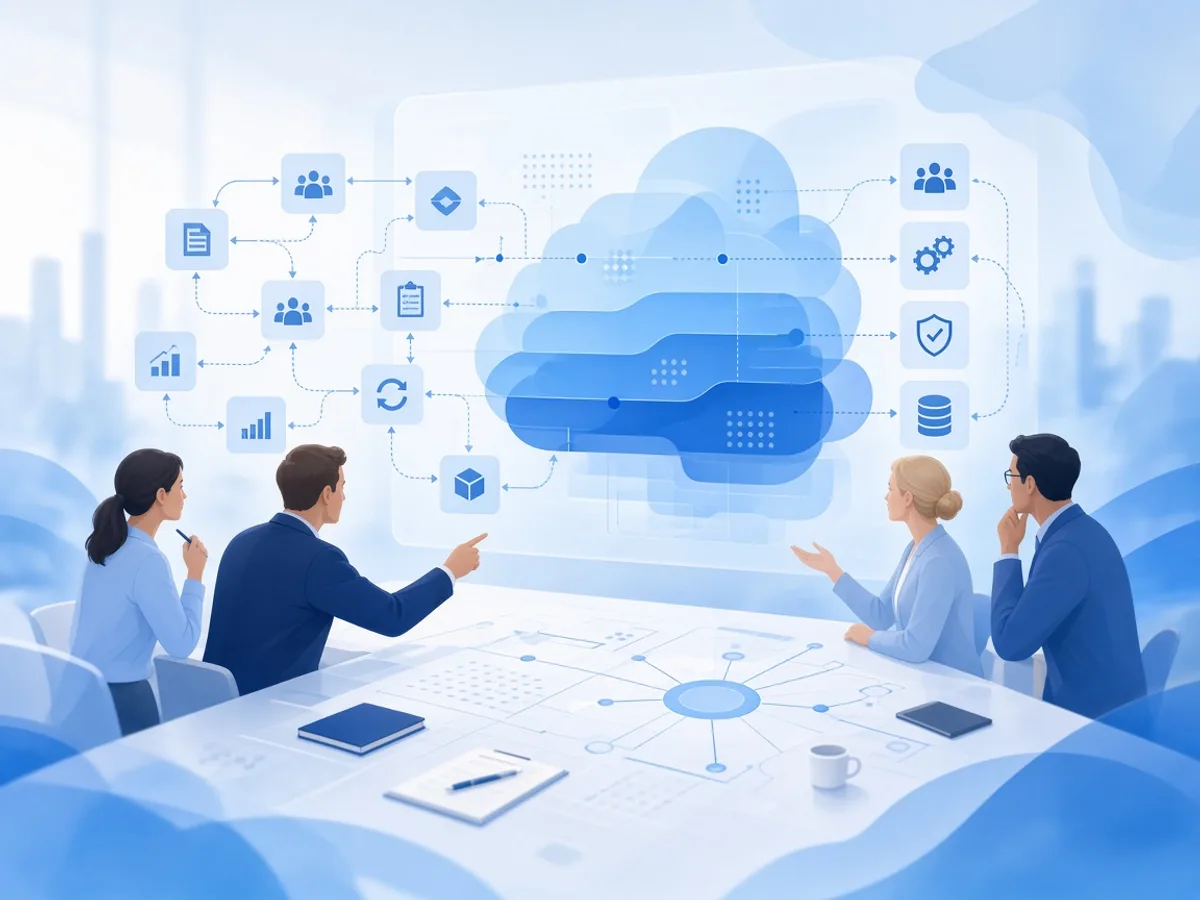







We begin with business processes and operational requirements before defining the ERP architecture and technology approach.
Businesses often adopt custom ERP software when standard tools do not fully support their processes, integrations, reporting requirements or long-term operational plans. A tailored ERP platform can be designed around how the organisation actually operates.
Tap a technology below to switch details
Bring finance, sales, procurement, inventory, HR and operational information into a connected platform.
A structured development process helps turn complex business requirements into a practical ERP platform. We work through discovery, architecture, development, integration, testing and deployment in defined stages.

Discover
Understand business objectives, existing systems, operational challenges, departments, users and future requirements.

Requirements
Document workflows across finance, inventory, sales, procurement, HR, manufacturing and other relevant functions.
Architecture
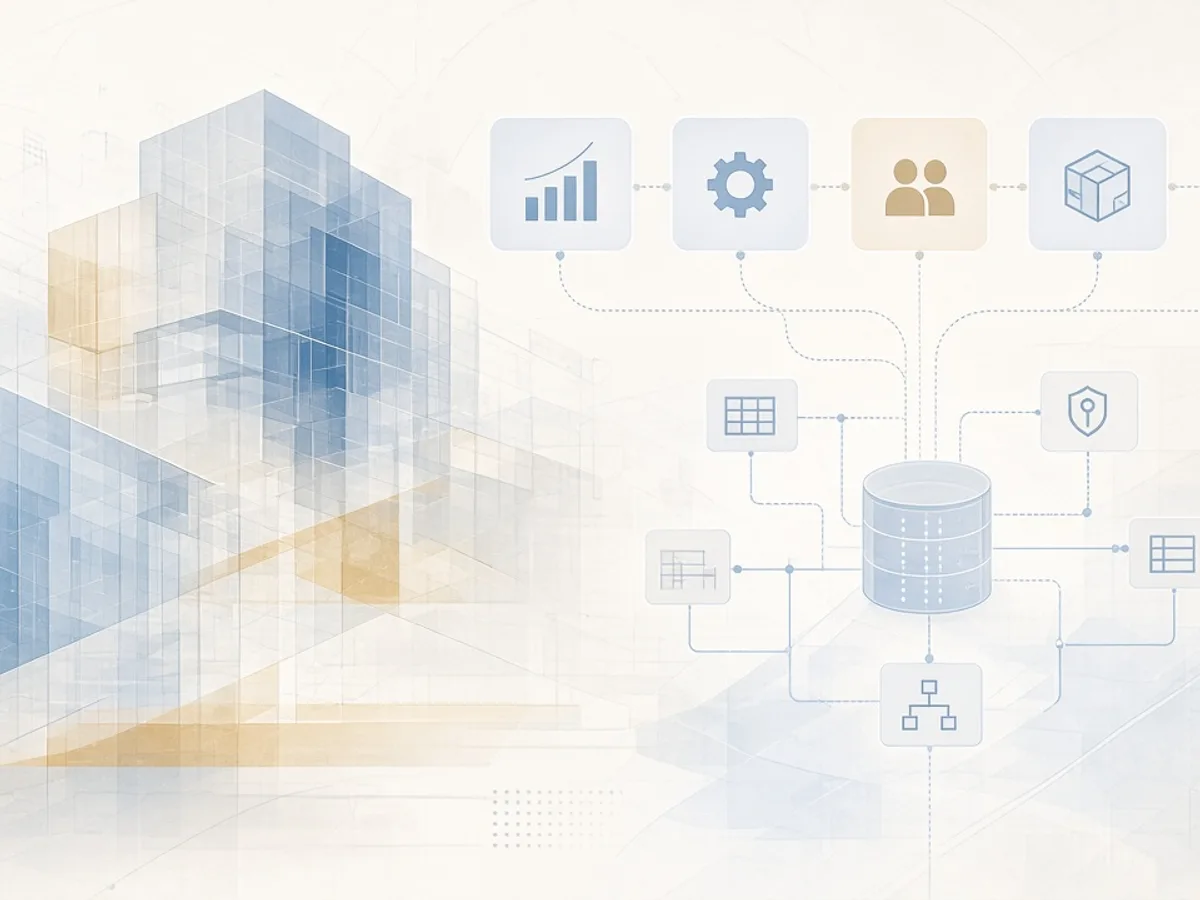
Define the technical architecture, database structure, modules, integrations, security model and deployment approach.
Develop
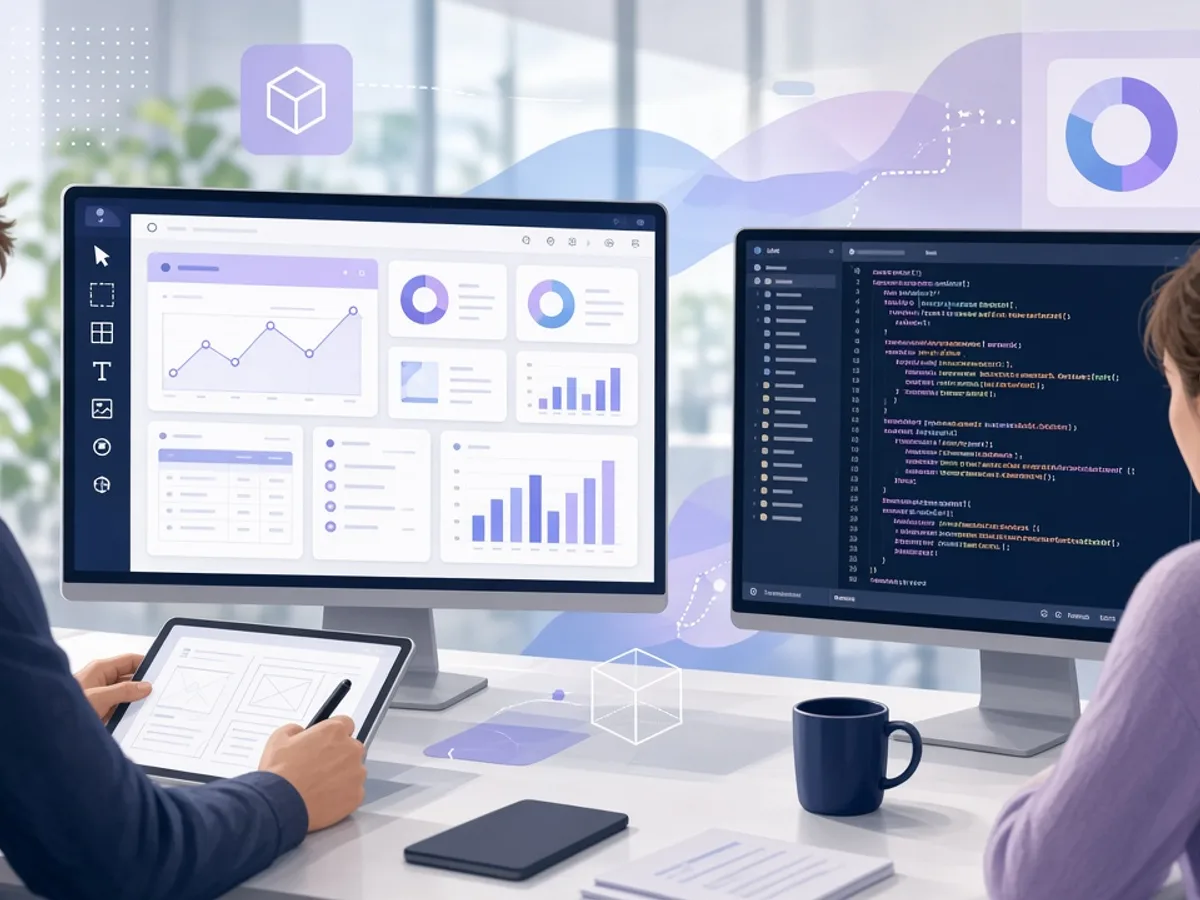
Design intuitive interfaces and develop the agreed ERP modules, workflows, dashboards and business functionality.

Integrate
Connect required third-party systems and migrate approved data from legacy applications, spreadsheets or existing ERP platforms.

Test
Perform functional, integration, security and performance testing before supporting business users through UAT.

Deploy
Deploy the ERP platform in the agreed environment and provide documentation, training and operational guidance.

Support
Monitor the system, resolve issues and introduce improvements as business processes and requirements evolve.
ERP projects require a combination of software engineering, enterprise architecture, integration, data management and business process expertise. Relevant certifications, partnerships and industry recognition can provide additional context when evaluating a technology provider. Any certifications, technology partnerships, awards or industry recognition displayed on the final website should reflect the company's current and verifiable credentials. Use official certification names and genuine award or membership details rather than generic or unverified claims.
Display only current and verifiable technology certifications held by relevant team members.
Include applicable cloud certifications where they are current and verifiable.
Relevant software engineering certifications can demonstrate development capability.
List current and verifiable industry memberships where applicable.
List current and verifiable technology partnerships using official status and terminology.
Highlight relevant ERP and enterprise software projects using accurate and approved project information.
AI & automation
Key Benefits of Custom ERP Software Development
Custom ERP software can help businesses create a connected operational environment that reflects their processes, data requirements and technology strategy. The benefits depend on the scope, implementation approach and adoption across the organisation.

Bring finance, sales, procurement, inventory, HR and other functions into a unified software environment.
Automate repetitive workflows and reduce unnecessary manual steps across business operations.
Maintain important business information within a structured system with appropriate access controls.
Provide dashboards, reports and operational insights across departments and business functions.
Configure approval processes, notifications, permissions and workflows around organisational requirements.
Integrate or consolidate disconnected business applications to create more consistent processes.
Extend the ERP platform with additional modules, users, locations and integrations as the business evolves.
Support stock management, purchasing, warehouse processes, product information and inventory reporting.
Connect invoicing, expenses, purchasing, budgets and financial workflows with other operational processes.
Provide structured business data that can support planning, forecasting and operational analysis.
Swipe with arrows to explore all capabilities
Large ERP projects can involve multiple departments, integrations, data sources and business processes. A phased approach helps organisations understand requirements, validate the solution and manage implementation complexity.
Phase 1
A documented ERP strategy and implementation roadmap aligned with the organisation's operational requirements.
Phase 2
A functional ERP solution developed and configured around the agreed business processes.
Phase 3
A production-ready ERP platform supported by documentation, training and an ongoing improvement plan.
ERP projects vary significantly in size, complexity and internal technical capability. Flexible engagement models allow businesses to select an approach that matches their project scope and delivery requirements.
Build a dedicated team of ERP developers, architects, designers, QA specialists and project professionals working on your ERP roadmap.
Define a specific ERP module, integration, feature set or implementation phase with agreed requirements and deliverables.
Work with an adaptable development team where resources and priorities can change as the ERP project evolves.
Transparent Pricing
The cost of ERP software development depends on the number of modules, users, integrations, data migration requirements, workflow complexity, security needs, technology stack and deployment model. The following ranges are indicative planning figures rather than fixed quotations. Actual project pricing should be based on documented requirements and technical scope. Third-party software licences, cloud infrastructure, payment services, data migration complexity, specialist integrations and ongoing support may be priced separately.
£2,500 to £7,500
£10,000 to £30,000
£30,000 to £100,000+
Both custom and off-the-shelf ERP approaches can support business operations. The appropriate option depends on existing processes, budget, integration requirements, implementation timelines and the level of flexibility required.
| Factor | RecommendedCustom ERP Software | Off-the-Shelf ERP |
|---|---|---|
| Business Processes | Designed around specific business workflows | Uses predefined workflows and configurations |
| Functionality | Features can be developed to specific requirements | Features depend on the selected product |
| Customisation | High level of flexibility | Usually configuration or vendor-supported customisation |
| Integrations | APIs and integrations can be developed around requirements | Depends on available connectors and APIs |
| User Experience | Interface can be designed for specific user groups | Follows the vendor's established interface |
| Scalability | Architecture can be planned around future requirements | Depends on the product's capabilities and licensing |
| Implementation | Scope and development dependent | Often based on product configuration and implementation |
| Upgrades | Managed by the development and product team | Typically provided through the software vendor |
| Initial Cost | Can require higher development investment | Often lower initial development effort |
| Long-Term Control | Greater control over source code and roadmap where applicable | Dependent on the software vendor |
| Best Suited For | Businesses with specialised processes or integration needs | Businesses whose requirements align with an existing ERP product |
ERP requirements change as organisations grow. We design development strategies around the scale, operational complexity and technology requirements of each business.




The technology stack for an ERP platform should reflect its functional requirements, integration needs, security model, scalability objectives and long-term maintenance strategy. We select technologies based on the specific requirements of each ERP project.
Swipe or tap arrows to browse tech categories
Whether you need a new ERP platform, custom modules, legacy ERP modernisation or integration between existing business systems, our ERP software development services can help you plan and build a solution around your operational requirements.

Browse by topic
3 questions · 12 total
Tell us about your business, current systems and ERP requirements. Our team can review your requirements and discuss the appropriate development, integration, migration and implementation approach.
Our team can review your requirements and discuss the appropriate development, integration, migration and implementation approach.
Complete the form with your ERP requirements, current systems and project objectives.
By submitting this form, you agree that your information may be used to respond to your enquiry in accordance with the company's privacy policy.