730+
Digital Products Delivered Across Diverse Business Requirements
SaaS Products, Built BetterReady For Growing Businesses
Develop secure and scalable SaaS products around business workflows, subscription models, user requirements, integrations, and product goals, with capabilities covering discovery, design, engineering, cloud infrastructure, testing, deployment, and ongoing support.
Tap a service to view details, features, and next steps.

Build tailored SaaS products around specific business processes, customer needs, workflows, features, and long term product objectives.

Turn product concepts into structured SaaS platforms through planning, design, development, testing, deployment, and continuous improvement.
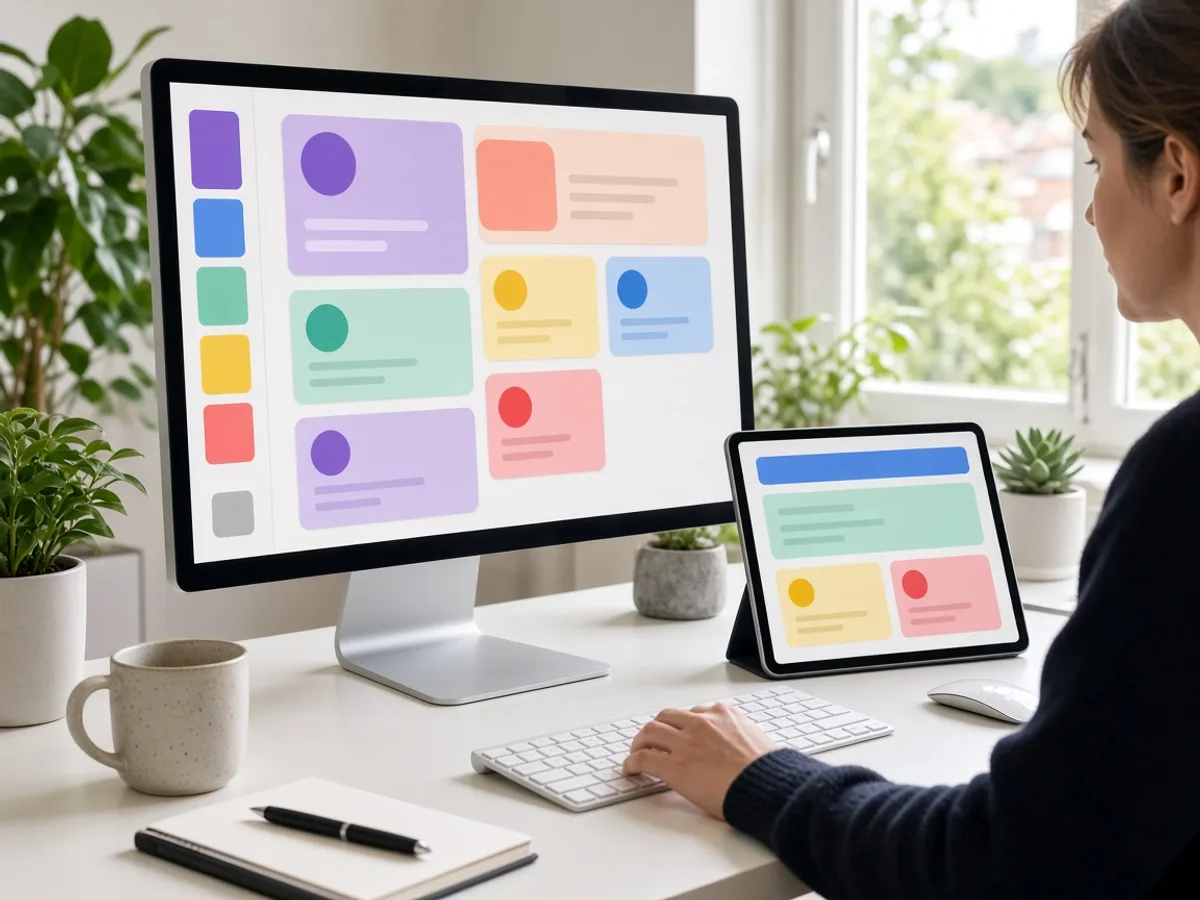
Create intuitive SaaS interfaces that simplify navigation, improve usability, and support efficient workflows across different user roles.

Build focused MVP platforms with essential functionality to validate product concepts, gather user feedback, and establish a foundation for future development.

Create SaaS platforms designed to support multiple customers through structured tenant management, user access, data separation, and scalable architecture.

Connect SaaS products with payment services, business systems, external platforms, APIs, databases, and other required digital services.

Test SaaS applications across functionality, security, performance, usability, compatibility, integrations, and different user workflows before production deployment.

Support SaaS platforms after launch through technical maintenance, updates, performance improvements, issue resolution, monitoring, and ongoing product enhancements.
Build a practical SaaS platform with structured product planning, secure cloud architecture, flexible integrations, and development capabilities aligned with your users, workflows, and business objectives.

Explore selected product development work to understand our approach to SaaS planning, product design, engineering, cloud infrastructure, integrations, testing, deployment, and ongoing platform support.
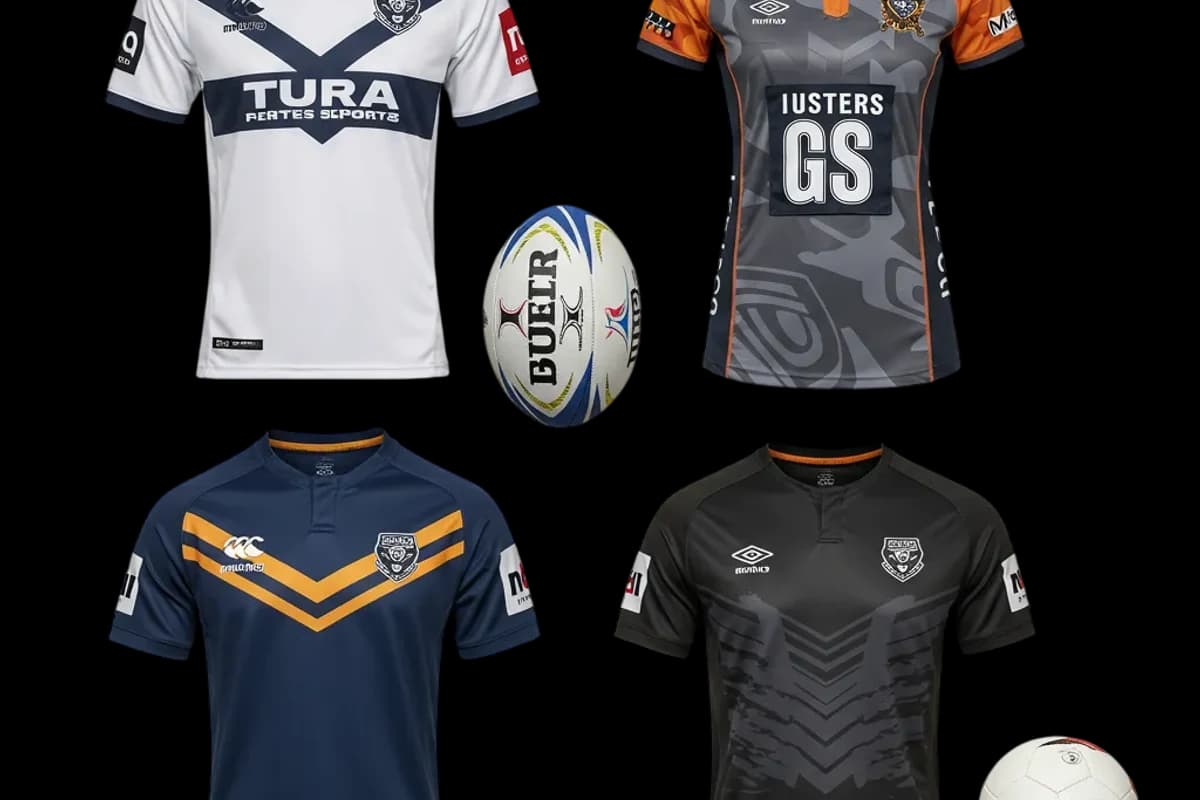
Sports EcommerceUnited States
Built a custom sports uniforms and teamwear ecommerce platform with product catalogues, team ordering, and secure checkout for athletic apparel worldwide.
Measurable outcomes
Our SaaS development approach focuses on scalable products, connected workflows, efficient user experiences, and maintainable cloud architecture that can support changing business requirements.
Swipe to explore business outcomes →
0%
Connected SaaS workflows can help reduce repetitive tasks and simplify everyday business processes.
0%
Cloud based platforms can provide convenient access to important services and business information.
0%
Centralised SaaS workflows can simplify selected processes and reduce manual operational activities.
0/7
Reliable cloud infrastructure and ongoing support can help maintain access to essential SaaS services.
Ready to see similar results?
SaaS products for UK businesses should consider local business requirements, technology practices, digital resources, and the wider commercial ecosystem when defining product strategy and development priorities.




Explore verified feedback and published reviews to understand how businesses describe their product development experiences and working relationships with our teams.
The team helped us turn our SaaS concept into a structured product and supported the development of core features, integrations and a scalable technical foundation.
The development team understood our SaaS requirements and worked with us on architecture, API integrations and product improvements throughout the project.
The team supported our SaaS project from initial planning through development and testing, while keeping the product requirements at the centre of the process.
Why choose us
A SaaS development partner should combine product engineering expertise, cloud knowledge, scalable architecture, security practices, and structured delivery to support reliable software products.




Apply SaaS development practices suited to subscription products, cloud platforms, user management, integrations, and evolving product requirements.
Our capabilities cover custom SaaS products, cloud architecture, user focused design, security, APIs, databases, DevOps, analytics, performance, integrations, and scalable platform engineering.
Tap a technology below to switch details
Build tailored SaaS platforms around business processes, customer workflows, subscription requirements, product goals, and operational needs.
A structured development process helps address security, quality, data handling, operational, and platform requirements throughout SaaS development, from planning through deployment and ongoing support.

Discover
We understand your product concept, target customers, business model, user roles, core features and technical requirements before development begins.

Architect
We define the technical foundation of the SaaS product, including application architecture, data structures, multi-tenancy, integrations and cloud requirements.
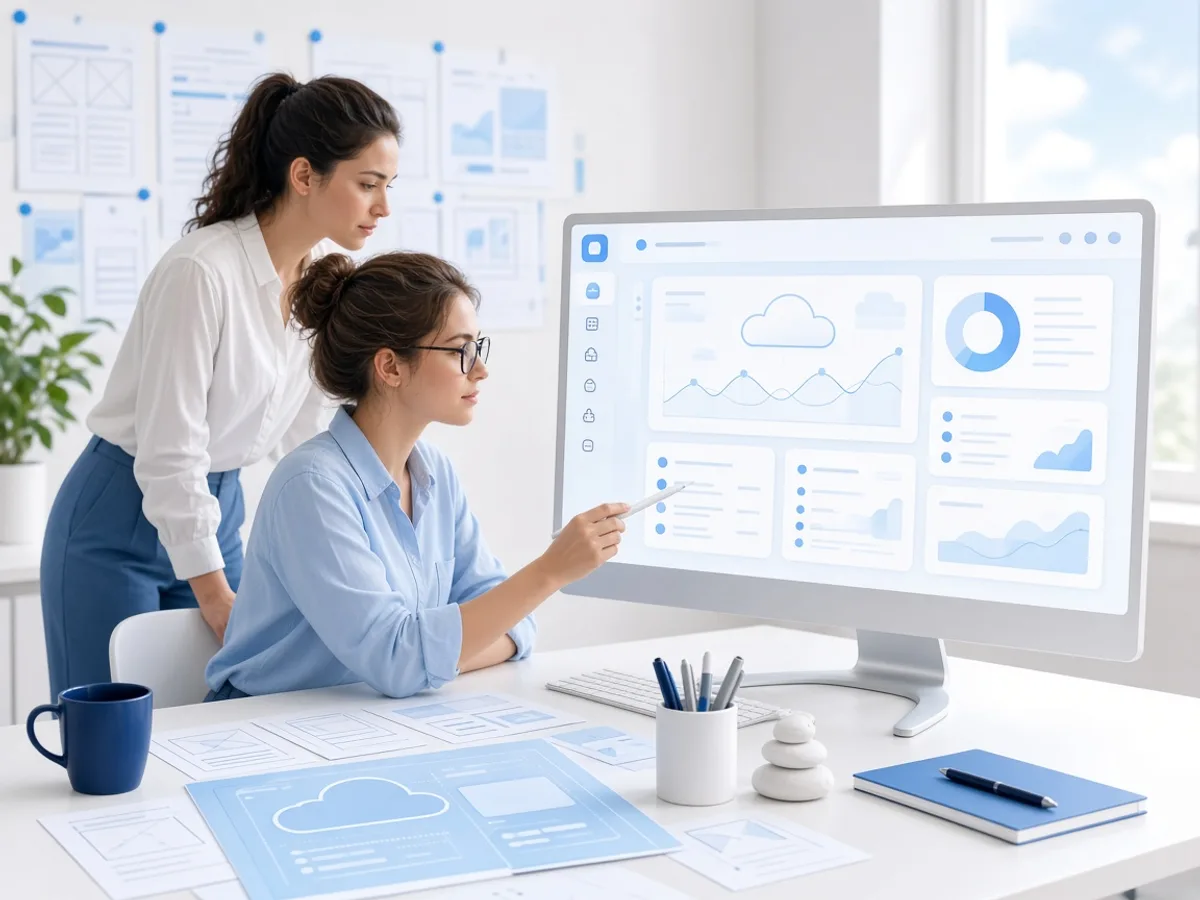
Design
We design SaaS interfaces around customer journeys, user roles, workflows, dashboards and usability requirements.
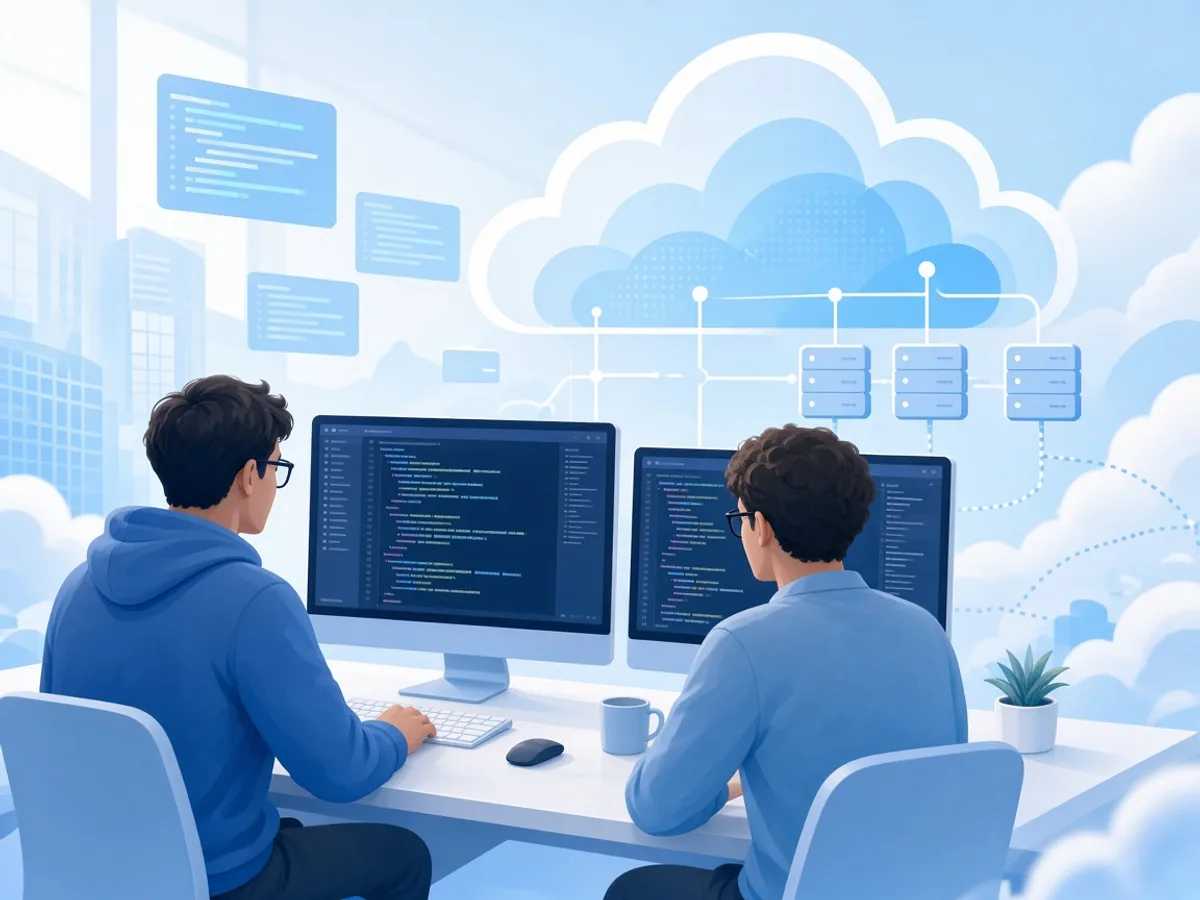
Develop
Approved designs and technical specifications are transformed into functional SaaS features, APIs, business logic and integrations.

Test
The SaaS product is tested across functionality, usability, integrations, performance and relevant security requirements before production release.

Launch
The completed SaaS application is prepared for cloud deployment, monitored after release and supported through future product improvements.
Only current, verifiable recognition should be displayed, with award names and achievements checked against reliable sources before publication.
Include a Clutch listing only where a current public record can be confirmed.
Show a GoodFirms profile only where an independently verifiable listing exists.
Include a TopDevelopers profile only where a current listing can be confirmed.
Include an AppFutura profile only where a current listing can be confirmed.
AI & automation
Business Benefits Of SaaS Development
A well planned SaaS platform can help businesses centralise workflows, improve customer access, simplify operations, support recurring services, and create adaptable digital products.

SaaS products can support subscription-based business models through recurring plans, billing cycles, trials and renewals.
Cloud-based SaaS applications can allow authorised users to access software through supported devices and internet-connected environments.
Updates and improvements can be deployed to the SaaS platform centrally rather than requiring individual users to install separate application versions.
SaaS platforms can be designed to support different users, roles, permissions and customer organisations as the product expands.
A multi-tenant architecture can support multiple customers within a shared application environment while maintaining appropriate data separation.
A cloud-based SaaS product can be continuously improved through new features, workflow updates, integrations and interface enhancements.
SaaS products can connect with CRM platforms, payment providers, analytics tools, communication services and other business applications through APIs.
Centralised SaaS environments can provide structured application data that supports dashboards, reporting, usage analysis and business insights.
Swipe with arrows to explore all capabilities
Our process covers product discovery, SaaS design, cloud architecture, development, quality assurance, deployment, and continuous improvement while keeping product and business priorities aligned.
Phase 1
We begin by understanding the product vision, target customers, business model, workflows and technical requirements before development starts.
We review your product concept, target users, business objectives, customer problems and expected application workflows.
Required features are organised around user needs, business priorities, subscription requirements and the initial product scope.
The application architecture, database requirements, APIs, integrations, cloud infrastructure and security considerations are defined.
Subscription plans, user roles, tenant requirements, billing workflows and other monetisation considerations are mapped where relevant.
Phase 2
Approved product requirements are transformed into functional SaaS features, interfaces, APIs and cloud-connected services.
We design dashboards, workflows, navigation, user journeys and responsive interfaces around different SaaS user roles.
Developers implement responsive interfaces, dashboards, forms, account areas and other customer-facing SaaS functionality.
Backend services, business logic, APIs, databases, authentication and application infrastructure are developed according to the technical architecture.
The SaaS product is connected with payment systems, CRM platforms, analytics tools, communication services and other required third-party applications.
Phase 3
The completed SaaS product moves through quality assurance, cloud deployment, production monitoring and continuous improvement.
Functional, integration, performance, compatibility, usability and relevant security testing are performed according to the project scope.
Application performance, database behaviour, API responses and relevant cloud infrastructure components are reviewed before production launch.
The SaaS application is deployed to the selected cloud environment with appropriate production configuration and release processes.
After launch, the product can receive new features, integrations, performance improvements, security updates and infrastructure enhancements.
Select an engagement approach based on product scope, development priorities, planning preferences, team requirements, technical complexity, and expected flexibility throughout the SaaS lifecycle.
Work with dedicated developers focused on your SaaS product, supporting evolving requirements, continuous development, close collaboration, and long term platform improvements.
Define scope, requirements, deliverables, and expected outcomes before development begins, creating a structured approach for clearly defined SaaS products.
Develop through flexible cycles where features, priorities, integrations, and technical requirements can evolve as product needs become clearer.
Transparent Pricing
SaaS development pricing depends on product complexity, features, user roles, integrations, cloud architecture, security requirements, design scope, testing, and ongoing support. Clear requirements help establish an estimate based on the expected platform scope.
£15,000 to £30,000
Request a tailored estimate
Request a tailored estimate
Different engagement approaches suit different SaaS projects. Compare scope, team structure, planning, flexibility, and budget considerations before selecting a suitable model for your platform.
| Comparison Point | Dedicated SaaS Developers | Fixed Price Model | Time and Material Model |
|---|---|---|---|
| Scope | Evolving product requirements | Clearly defined project scope | Flexible evolving requirements |
| Team | Dedicated development resources | Defined project resources | Flexible development resources |
| Planning | Iterative product planning | Detailed upfront planning | Ongoing sprint planning |
| Flexibility | High requirement flexibility | Changes require scope review | High requirement flexibility |
| Budget | Ongoing development investment | Agreed project pricing | Based on actual effort |
| Best Fit | Long term product development | Clearly defined applications | Evolving product development |
SaaS platforms can support different organisations through flexible product models, cloud infrastructure, connected workflows, subscription capabilities, and features adapted to specific business requirements.




Our technology stack combines established backend, cloud, database, API, and DevOps technologies suitable for building secure, scalable, and maintainable SaaS platforms.
Swipe or tap arrows to browse tech categories
Discuss your SaaS requirements and explore a practical development approach covering product planning, cloud architecture, design, engineering, integrations, testing, deployment, and ongoing platform support.

Browse by topic
3 questions · 27 total
Have a SaaS idea, MVP requirement, existing platform or cloud application that needs development or modernisation? Tell us about your product so our team can discuss a suitable SaaS development approach.
Share your product concept, target customers, core features, user roles, subscription model, integrations, technical requirements, existing application details and business objectives. Our team can review the requirements and discuss suitable development options.
Complete the form with your product and project details so our development team can understand your requirements and discuss the appropriate SaaS solution.
Your information will be used to respond to your enquiry and discuss your SaaS development requirements. Please avoid submitting sensitive personal information through this form.