730+
Digital projects supported across different business requirements

Build Smarter Point of SaleSolutions for Modern Businesses
Techanic Infotech provides POS development services for UK businesses looking to streamline sales, inventory, payments, customer management and day-to-day operations. We develop POS solutions around specific business workflows, hardware requirements, integrations and user needs.
From custom POS software and retail systems to restaurant POS, cloud POS, inventory management and payment integrations, our team can support strategy, UI and UX design, development, testing, deployment and ongoing maintenance.
Our POS development services help businesses manage sales, payments, inventory, customers and operational workflows through connected point of sale software. We build solutions around business processes, POS hardware, payment requirements, integrations and reporting needs.
Tap a service to view details, features, and next steps.
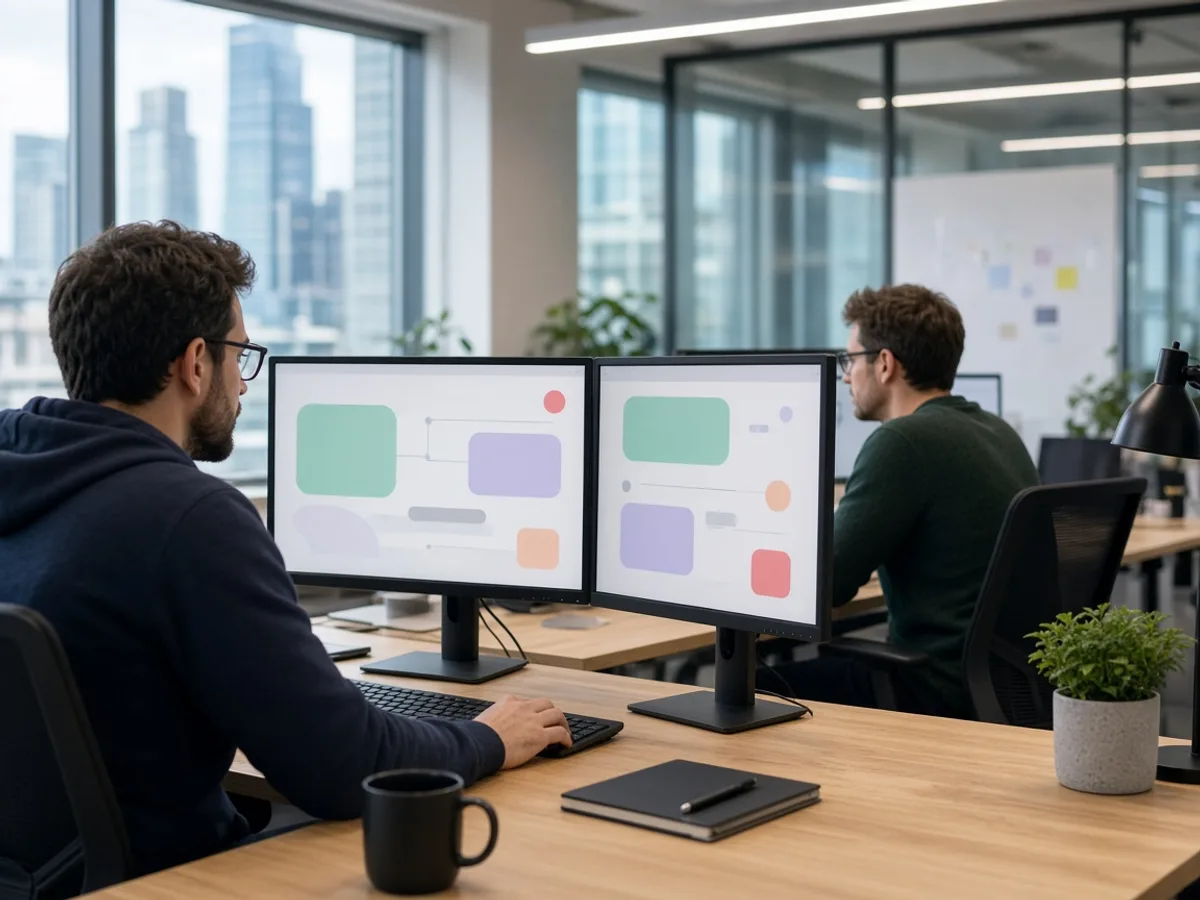
We develop POS systems around specific business requirements, transaction workflows, user roles and operational processes.
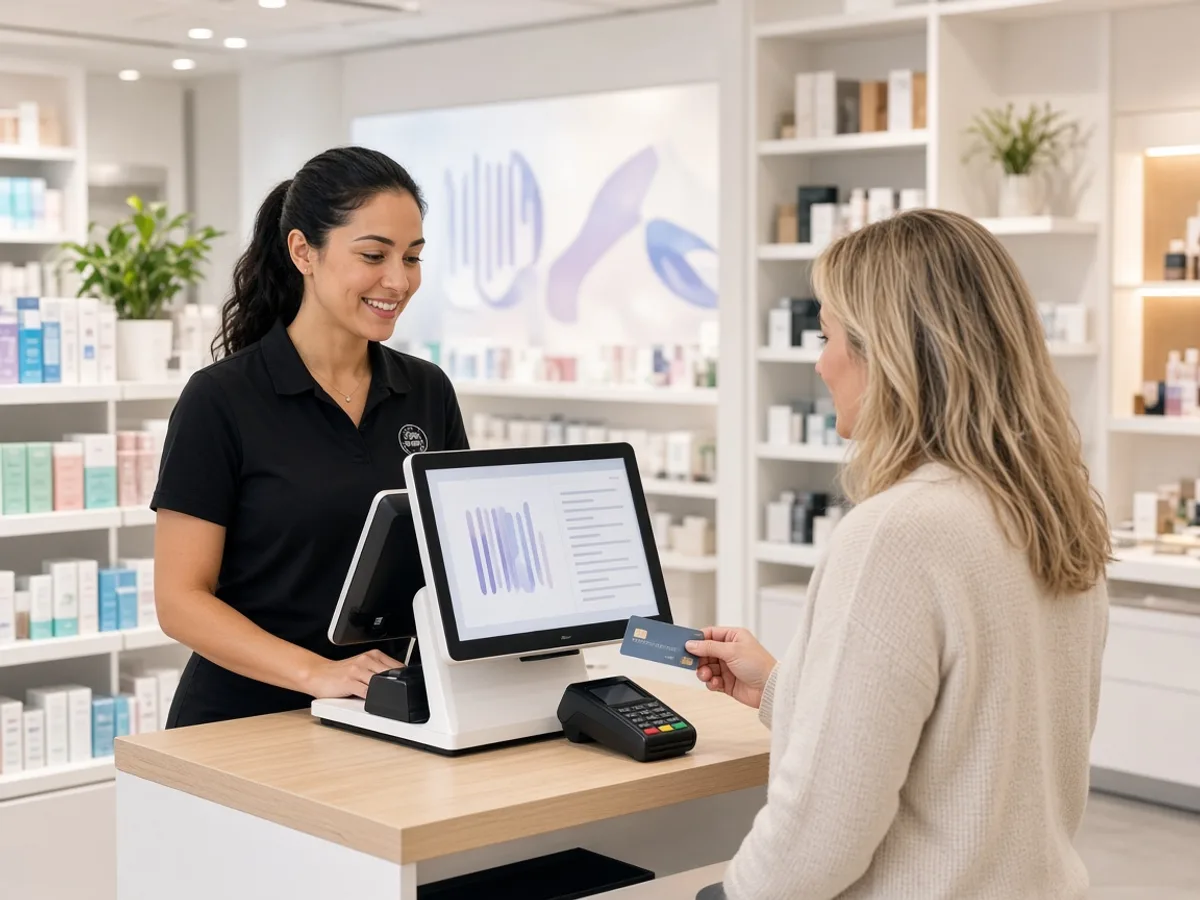
We build retail POS solutions for managing products, sales, inventory, customers, discounts and store operations through connected systems.

We develop restaurant POS systems for order management, table operations, menus, payments and integrations with other restaurant technologies.

Cloud based POS solutions can provide businesses with centralised access to sales information, inventory data, reports and selected management features.
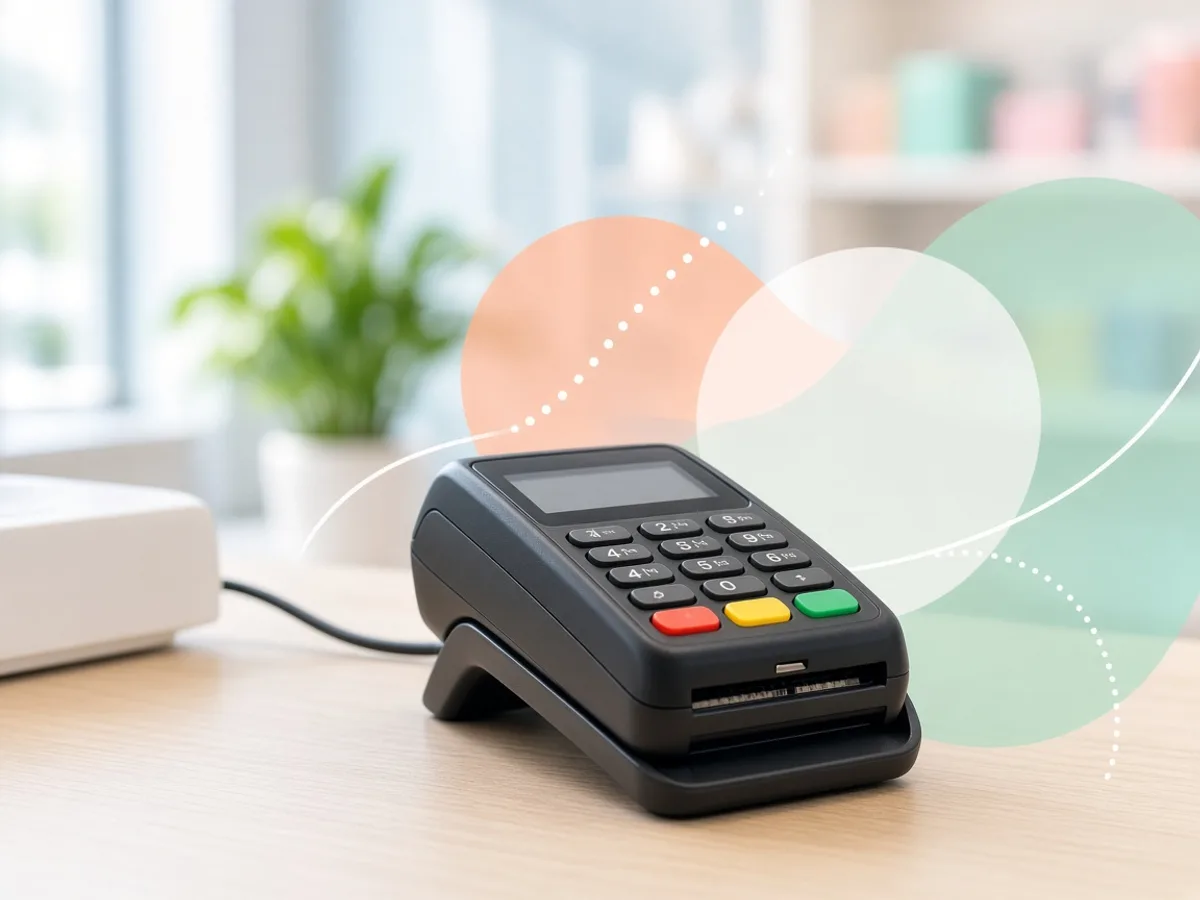
We integrate POS systems with suitable payment gateways and payment technologies to support secure transaction workflows.

We develop inventory functionality that connects sales activity with stock information to help businesses manage products and inventory workflows.
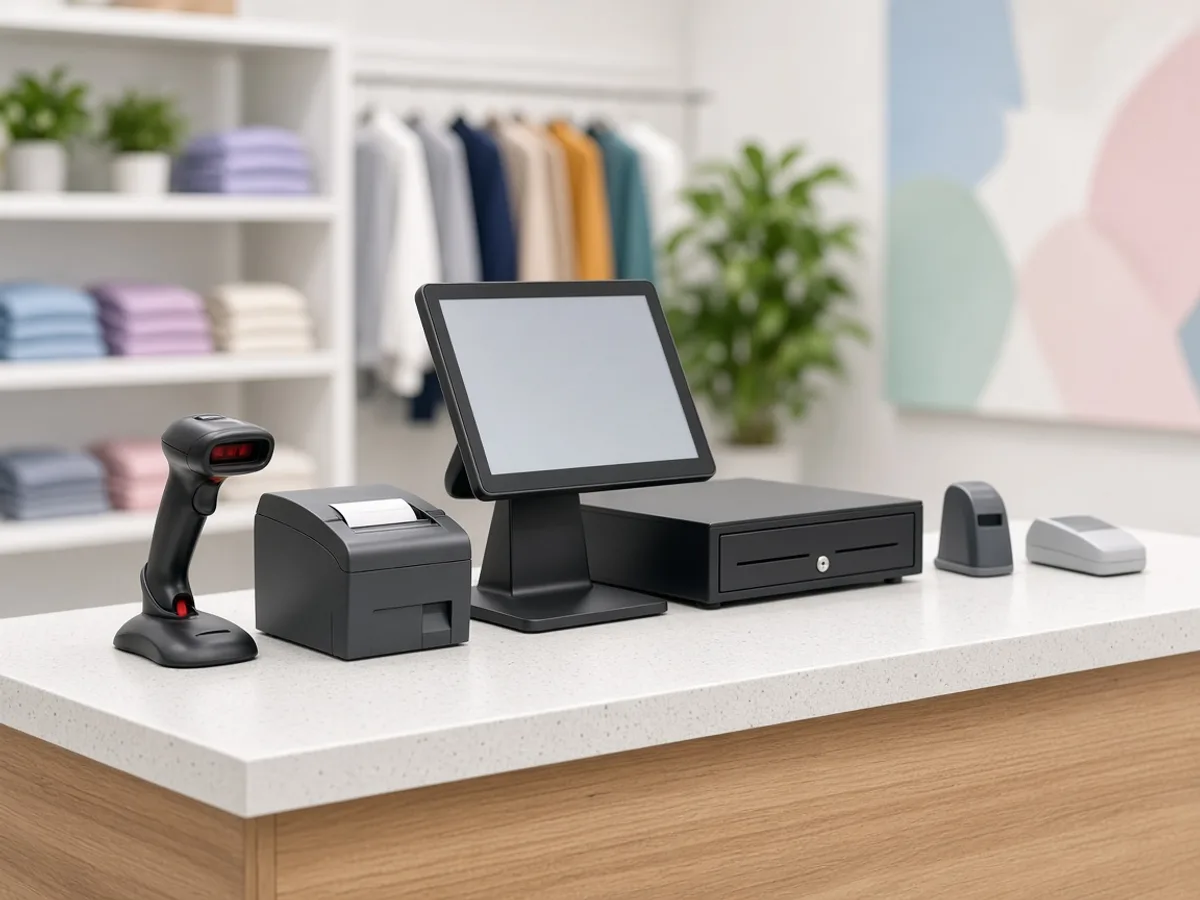
We integrate suitable POS applications with compatible hardware such as barcode scanners, receipt printers, cash drawers and other peripherals.
Ongoing POS support can include troubleshooting, system updates, payment integration maintenance, performance optimisation and feature enhancements.
Have a new POS software idea, an existing system that needs improvement or a requirement to connect sales, inventory and payments? Our team can help assess your requirements and plan a suitable POS development approach.

Explore examples of point of sale software, retail systems and connected business solutions developed around different operational requirements. Our portfolio can demonstrate experience across POS applications, inventory management, payment integrations, dashboards and business system integrations.
Sports EcommerceUnited States
Built a custom sports uniforms and teamwear ecommerce platform with product catalogues, team ordering, and secure checkout for athletic apparel worldwide.
Measurable outcomes
A well-designed POS system can connect transactions with inventory, payments, customers and business reporting. Our approach focuses on efficient workflows, accurate data, secure transactions and scalable POS architecture.
Swipe to explore business outcomes →
0/7
Cloud connected POS systems can provide authorised users with access to relevant business information according to the selected architecture.
0°
POS dashboards can bring sales, inventory, customer and transaction information together within a central management interface.
Real-Time
Connected POS systems can provide current transaction information for supported stores, terminals and business operations.
Smart
POS software can connect sales activity with inventory workflows to support stock visibility, product management and replenishment processes.
Ready to see similar results?
The UK has a broad business and technology ecosystem covering retail, hospitality, payments, digital commerce and technology innovation. These organisations and networks can provide useful industry context for businesses evaluating POS and digital transformation projects.




Client feedback can provide useful insight into communication, collaboration and technical delivery.
The team understood our POS requirements and helped turn our business workflows into a practical point of sale solution. Communication was clear throughout the development process.
The team provided useful guidance around POS functionality, integrations and transaction workflows. They remained responsive while we refined the project requirements.
We appreciated the structured development approach and technical support. The team helped connect our POS system with our existing business processes and integrations.
Why choose us
Successful POS development requires more than processing transactions. It involves inventory, payments, customers, reporting, hardware, integrations, security and user experience. Our approach brings these components together around specific business requirements.
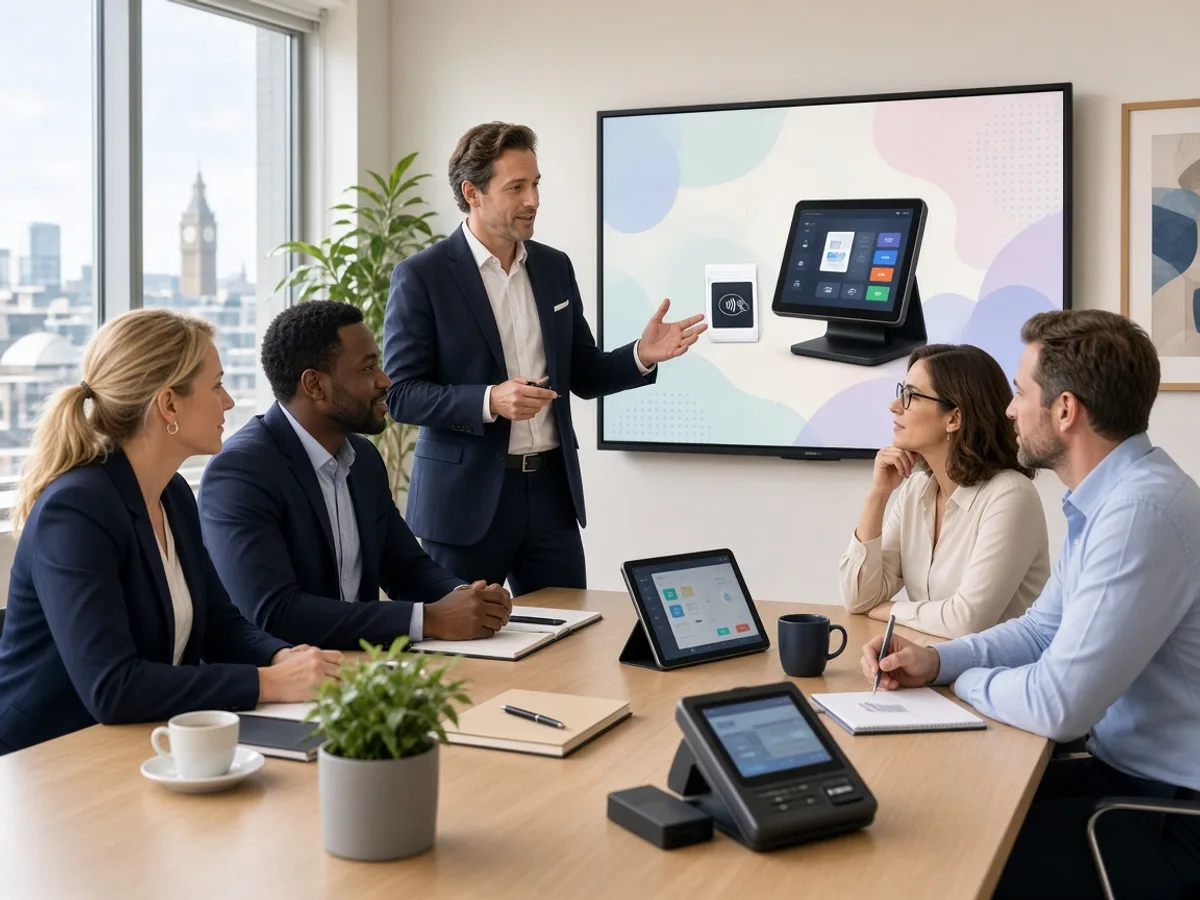
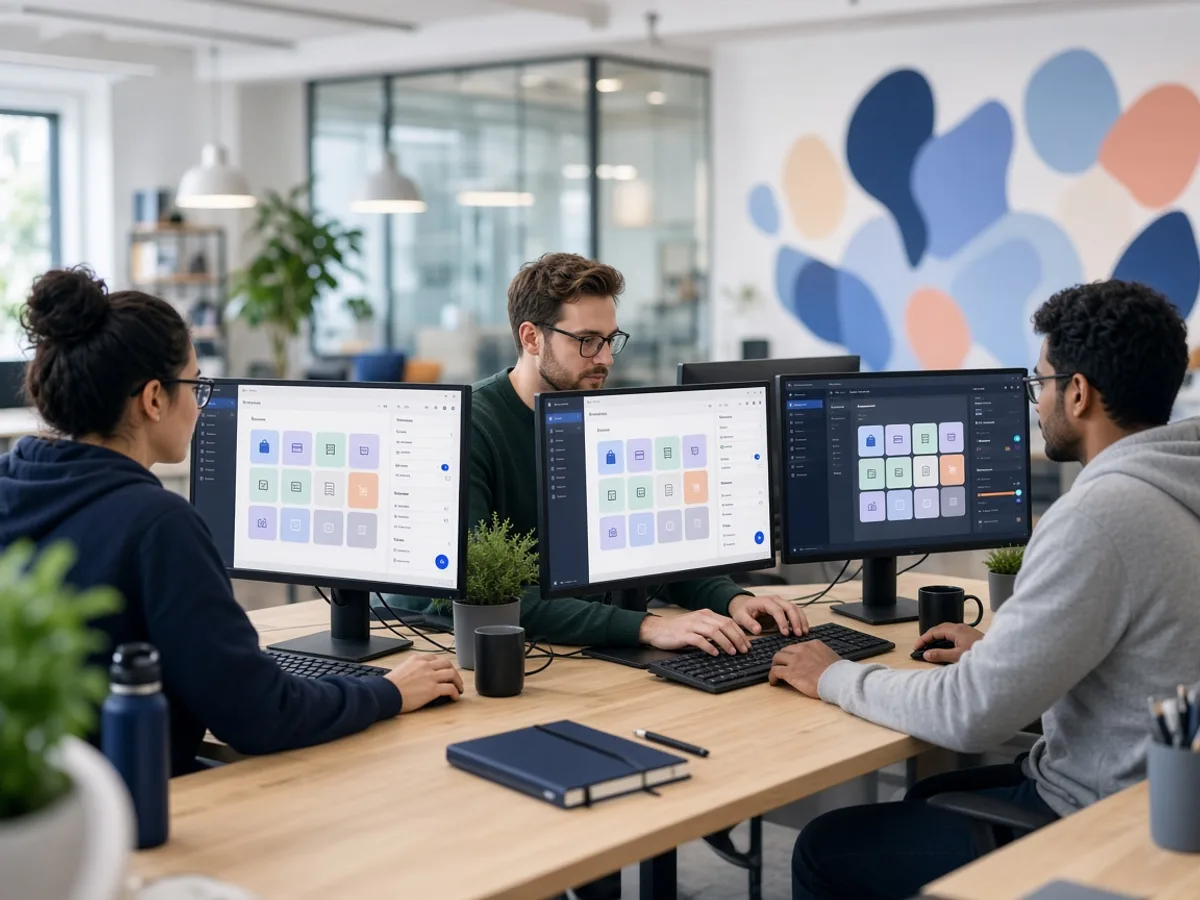
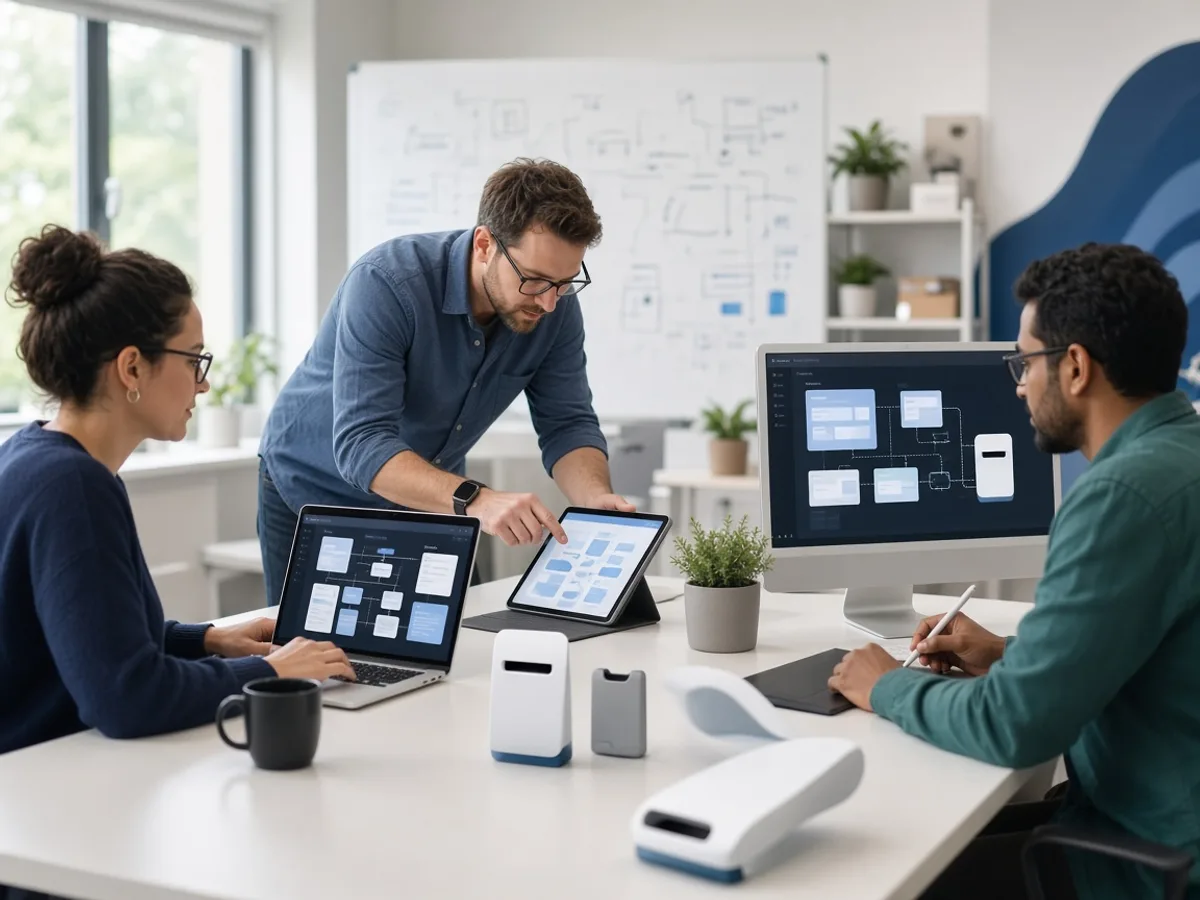

We begin by understanding your sales workflows, business operations, users and transaction requirements before defining the POS architecture.
POS projects require a combination of transaction processing, inventory management, payment integration, hardware connectivity, reporting, security and application development. Our approach connects these areas around the project's business and technical requirements.
Tap a technology below to switch details
We develop POS applications around specific sales workflows, products, services, business rules and operational requirements.
Our structured process takes a POS project from business and transaction discovery through UI and UX design, development, payment and hardware integration, testing, deployment and ongoing support.

Discover
We analyse your business model, transaction workflows, products, users, POS hardware, payment requirements and integrations before defining the solution architecture.

Design
We design intuitive POS interfaces for sales staff, managers and customers where required, focusing on fast navigation, clear information and efficient transaction workflows.

Develop
The approved POS architecture and designs are developed with transaction management, inventory functionality, payment integrations, hardware connectivity and business system integrations.

Test
The POS solution is tested across transaction processing, payments, inventory, hardware, integrations, security, performance and supported environments.

Launch
The completed POS application and supporting services are prepared for production deployment and reviewed to confirm transactions, integrations, hardware and core functionality.

Improve
Ongoing POS maintenance helps keep applications, payment integrations, hardware connections and business workflows aligned with changing requirements.
Technology directories and review platforms can provide additional information when evaluating a POS development provider.
Relevant Clutch profile information or published recognition can be referenced where supported by a current and verifiable Techanic Infotech company profile.
GoodFirms profile information and published recognition can be included where supported by a current and verifiable Techanic Infotech listing.
DesignRush company profile information can be referenced where Techanic Infotech has a current and verifiable listing or published recognition.
TopDevelopers directory information can be included where supported by a current and verifiable Techanic Infotech company profile.
AppFutura profile information can be referenced where supported by a current and verifiable Techanic Infotech company listing.
AI & automation
Benefits of POS Development
A modern POS system can connect transactions, payments, inventory, customers and business reporting within a unified digital environment. The benefits depend on the business model, integrations, hardware and operational requirements.

Well-designed POS interfaces can simplify product selection, checkout and payment workflows to help staff process transactions efficiently.
POS software can bring transaction information together in a central system, making it easier to manage sales activity across supported locations and terminals.
Connecting sales with inventory data can provide businesses with more current information about product availability, stock levels and movement.
POS applications can integrate with suitable payment technologies and gateways to support secure transaction workflows and authorised payment operations.
POS systems can store and manage relevant customer information, purchase history and loyalty related data where required by the business.
POS dashboards and reports can provide information about sales, products, transactions, inventory and other operational metrics.
Cloud connected POS platforms can help businesses manage supported stores, terminals, products and sales information through a central system.
POS systems can integrate with ecommerce platforms, accounting software, CRM, ERP, inventory systems and other business applications to connect operational workflows.
Swipe with arrows to explore all capabilities
Our three phase approach provides a structured path from POS discovery and transaction planning to development, payment and hardware integration, testing, deployment and continuous improvement.
Phase 1
We understand your business model, transaction workflows, products, users, hardware and payment requirements before defining the POS development strategy.
We identify sales processes, products or services, staff workflows, customer interactions and operational requirements.
We review compatible POS terminals, barcode scanners, receipt printers, cash drawers and other required peripherals.
We define the application, database, payment, hardware, API and integration architecture required for the POS solution.
We define checkout flows, product screens, dashboards, user roles and other interfaces before development begins.
Phase 2
The approved POS architecture and designs are developed, integrated and tested through an iterative development process.
Frontend and backend POS components are developed around the approved transaction workflows and business requirements.
Suitable payment gateways and payment technologies are integrated according to the selected transaction environment and requirements.
Compatible POS peripherals and business systems are connected with the application through suitable drivers, APIs and integration methods.
The solution is tested across transactions, payments, inventory, hardware, integrations, security, performance and supported environments.
Phase 3
After testing and approval, the POS system is prepared for production and supported through monitoring, maintenance and continued development.
The completed POS application, payment integrations, databases and supported hardware configurations are prepared for the production environment.
Transaction workflows, integrations, application performance and supported POS components can be monitored after launch.
The application, database, APIs and infrastructure can be reviewed and optimised as transaction volumes, users and locations increase.
New payment methods, devices, integrations, reports and POS features can be introduced as business requirements evolve.
POS projects can require different levels of technical involvement depending on transaction complexity, hardware requirements, integrations and long term development plans. Our engagement models can support defined projects as well as continuously evolving POS platforms.
A dedicated POS development team can provide focused technical resources for businesses building, maintaining or continuously improving point of sale systems.
A fixed price model can be suitable when POS functionality, hardware integrations, payment requirements and project scope are clearly defined before development begins.
A time and material model provides flexibility when POS features, payment integrations, hardware requirements or business workflows may change during development.
Transparent Pricing
POS development pricing in UK depends on the number of terminals, transaction workflows, hardware integrations, payment requirements, inventory features, business integrations, design, testing and ongoing support. The following ranges are indicative planning figures. A final quotation should be prepared after reviewing the project scope.
£15,000 to £30,000
£30,000 to £70,000
£70,000 to £150,000+
Businesses can choose between developing a custom POS solution and adopting an existing off-the-shelf platform. The appropriate approach depends on transaction workflows, hardware, integrations, business rules, scalability and operational requirements.
| Feature | RecommendedCustom POS Development | Off-the-Shelf POS |
|---|---|---|
| Functionality | Functionality can be designed around specific business processes and transaction workflows | Features are based on the capabilities provided by the selected POS product |
| Customisation | Interfaces, workflows, reports, business rules and integrations can be customised | Customisation depends on the configuration options and extensions supported by the provider |
| Integrations | Can be developed around required CRM, ERP, ecommerce, accounting and other business integrations | Integration options depend on available APIs, plugins and supported connectors |
| Hardware | POS hardware requirements can be considered as part of the system architecture | Hardware compatibility depends on the selected POS provider and supported devices |
| Scalability | Architecture can be designed around expected transaction volumes, locations and business growth | Scalability depends on the capabilities and limitations of the selected platform |
| Ownership and Control | Businesses have greater control over the application's functionality, architecture and development roadmap | The provider controls the core product and its release roadmap |
| Development Time | Requires planning, design, development, integration and testing before launch | Can generally be configured and deployed more quickly when requirements match available features |
| Best Use Cases | Businesses with unique workflows, specialised integrations or specific operational requirements | Businesses whose requirements closely match an existing POS platform |
POS systems can be developed for businesses of different sizes and operating models. Our solutions can be adapted to startups, growing businesses, multi-location organisations and enterprises with complex transaction requirements.




Our POS development services use modern application technologies, databases, APIs, cloud infrastructure, payment integrations and hardware connectivity selected according to transaction requirements, business workflows and scalability needs.
Swipe or tap arrows to browse tech categories
Have a new POS software idea, a retail or restaurant POS requirement, or an existing system that needs improvement? Our team can help evaluate your business workflows, hardware, payment requirements and integrations before planning the right POS development approach.



Find practical answers about POS development costs, timelines, payment integration, hardware connectivity, inventory management, security, maintenance and choosing a POS development company in the UK.
Browse by topic
3 questions · 21 total
Have a new POS software idea, a retail or restaurant POS requirement or an existing system that needs improvement? Tell us about your business and POS requirements so our team can discuss a suitable development approach.
Share your business type, transaction workflows, POS hardware, payment requirements, inventory needs, integrations and project objectives. Our team can review the requirements and discuss suitable development options.
Complete the form with your project details so our team can understand your POS requirements and discuss the appropriate development approach.
Your information will be used to respond to your enquiry and discuss your POS development requirements. Please avoid submitting sensitive personal information through this form.